EF ECOFLOW Solar Generator Delta 3 Classic with 220W Solar Panel, 1024Wh (ASIN B0FRMQPZF6)
Best Solar Generator Buying Guide — Black Friday Deals 2026
A solar generator decision starts with the devices you want to power, not the size of a Black Friday headline. Capacity describes stored energy; AC output and ports help determine what you can connect. A bundled panel can matter if solar recharging is part of your plan, while a compact-capacity option may suit a different routine from a higher-output unit. This guide compares three configurations using their listed specifications, then offers practical questions for judging your own needs. Black Friday can make bundle details easy to overlook, so compare the exact model and included items shown in the offer rather than assuming similarly named packages are identical.
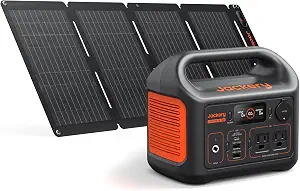
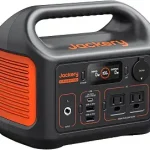
Jackery Solar Generator 300 and 40W Solar Panel (ASIN B0G429L5B4)
The Best Budget label points shoppers toward the lower-capacity configuration in this guide, not toward a claim about its current price or an active Black Friday promotion. It lists 292Wh of capacity and 300W AC output, with 600W peak surge. That combination gives you a concise starting point for checking smaller or more limited power plans: identify the devices you want to connect, then compare their requirements with the listed output. Do not assume that a peak figure describes what the unit can supply continuously.
Its ports include 2 AC outlets, a 100W USB-C PD port, 2 USB-A ports, and a 120W car port. These connection details can help you assess whether the equipment in your plan can connect directly, but the presence of a port alone does not establish that every device is suitable. The stated LiFePO4 chemistry may also be a deciding specification if battery chemistry is one of your comparison points. The package name identifies a 40W solar panel; confirm that the Black Friday offer you are viewing is for this generator-and-panel configuration.
Think of this choice as a way to keep your shortlist grounded in a modest stated capacity and a clear port selection. It may be appropriate when your planned use is limited to devices whose power needs fit the listed figures; it is not a universal backup answer. Compare the exact included panel and model details against other offers rather than treating a similar product title as proof of identical contents. The Best Budget label is an editorial category choice among these products. It does not promise a sale price, savings, or a better fit than a larger-capacity model for your particular needs.
Key specs
Capacity and AC output
292Wh,300W AC
Ports
2 AC outlets, a 100W USB-C PD port, 2 USB-A ports, and a 120W car port.
Rated and peak output
300W rated output (600W peak surge)
Battery chemistry
LiFePO4 chemistry
Jackery Solar Generator 1000 v2 and 2x100W Solar Panel,1024Wh LiFePO4
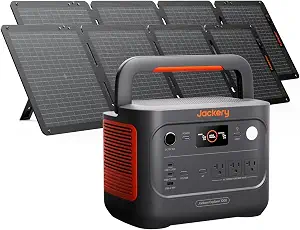
Jackery Solar Generator 1000 v2 and 2x100W Solar Panel,1024Wh LiFePO4 (ASIN B0D66VD3X4)
For shoppers who want a middle ground between a compact setup and a higher-output option, this configuration is the guide’s Best Overall choice. Its 1024Wh capacity and 1,500W AC output give you two useful figures to compare with the equipment you expect to use. The listed 3,000W surge peak is a separate output detail, not a substitute for checking the steady power needs of a device. Consider the equipment one item at a time and confirm its requirements before deciding whether this configuration fits.
The bundle includes 2 * 100W Solar Panels, so it may be worth considering if you want panels included with the generator rather than evaluating a generator-only offer. The listed 10ms UPS switchover is another specific feature to weigh if backup behavior matters in your plans. It describes the switchover detail; it does not tell you how long the unit will run a connected device. For that, consider the device’s consumption alongside the stated 1024Wh capacity, without treating capacity as a guaranteed runtime.
At 23.37 Lbs, the listed weight is a practical point to consider when deciding where you will keep or move the unit. This is not the lightest-capacity option in the group by implication; compare the actual weight and capacity against your own handling preferences. On Black Friday, check that the listing refers to this exact configuration and that the included panels are part of the offer you are considering. The Best Overall label is an editorial selection among these featured products, not a claim of measured superiority or a guarantee that this bundle suits every use.
Key specs
Capacity
1024Wh
AC output
1,500W AC output
Surge output
3,000W surge peak
UPS switchover
10ms UPS switchover
Weight
23.37 Lbs
Included solar panels
2 * 100W Solar Panels
EF ECOFLOW Solar Generator Delta 3 Classic with 220W Solar Panel, 1024Wh
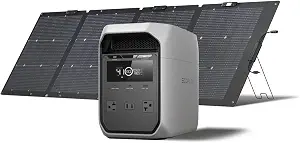
EF ECOFLOW Solar Generator Delta 3 Classic with 220W Solar Panel, 1024Wh (ASIN B0FRMQPZF6)
If AC output is high on your priority list, the Best for Higher AC Output label makes this configuration a natural comparison point. It lists 1800W output and 3600W surge, alongside 1024Wh capacity. Check those figures against the actual equipment you might connect; the surge figure is not the same as a promise that every device will work. The stated 100W USB-C Output adds a specific connection detail to consider if it matters to your setup. These specifications help define the choice, but they do not establish runtime for any particular device.
The bundle includes a 220W bifacial solar panel, and the listing states recharge in just 5.8 hours with a 220W solar panel. Treat that as the provided recharge claim, not as a guarantee for every location or condition. If solar recharging is important, verify that the offer you are considering includes the panel and matches this configuration. The LiFePO4 Battery specification is also available for shoppers comparing chemistry. This combination of output, capacity, battery detail, and panel information provides several concrete points to weigh against the other bundles.
A further listed feature is UPS transfer that automatically switches to battery in under 10ms. Consider whether that behavior is relevant to your intended use, while keeping it separate from questions about capacity and connected-device requirements. During Black Friday, compare the exact offer details and variant rather than assuming a similarly named package has the same panel or specifications. The Best for Higher AC Output label describes its place among the products in this guide, based on its stated output figures; it is not a market-wide award or proof of measured superiority.
Key specs
Output
1800W output (3600W surge)
USB-C output
100W USB-C Output
Battery
LiFePO4 Battery
UPS transfer
automatically switches to battery in under 10ms
Solar recharging
Recharge in just 5.8 hours with a 220W solar panel.
Solar panel
220W bifacial solar panel
Turn your routine into a power plan
Before comparing models, write down the devices you want to power and the way you expect to use them. Separate equipment you might run at the same time from items you would connect one after another. Then look up each device’s power requirements and compare them with the generator’s stated AC output and available ports. This simple inventory helps prevent a familiar mistake: choosing by capacity alone while overlooking whether the output and connections fit the intended equipment.
Next, ask how long you want to rely on stored energy. Capacity is expressed here in watt-hours, but it is not a runtime promise for a particular appliance. Actual use depends on what is connected and how it is used, so avoid turning a capacity figure into an exact operating-time estimate without the relevant device information. A Black Friday listing may emphasize a large headline specification, yet your own list of devices is a better starting point than that headline.
Use your answers to sort priorities rather than looking for one option that must suit every scenario. If you need to connect equipment through particular ports, compare the stated port list. If a panel is part of your plan, note whether it is included and its listed details. If you are uncertain about a device’s requirements, verify them before checkout. This keeps the Black Friday comparison specific to your needs and avoids relying on assumptions about what a generator can run.
Read Black Friday bundles as exact configurations
A bundle name can combine a generator with a panel, but shoppers should still verify the exact contents of the offer they are viewing. The featured packages include different panel configurations: a 40W panel, 2 * 100W Solar Panels, or a 220W bifacial solar panel. Those descriptions are not interchangeable. Check that the model and panel details in the offer match the configuration you intended to compare, and do not assume a similar title means the same items are included.
For a useful Black Friday comparison, place the generator specifications and bundle contents side by side. Note capacity, AC output, surge information where provided, panel details, and any connection or backup features that matter to you. Keep each offer’s exact variant in view, especially when comparing listings with similar product names. The aim is not to guess which package is discounted or better value, but to judge the configuration you can actually select against your own priorities.
Treat promotional language as a prompt to inspect details rather than evidence of a specific price or saving. This guide does not establish that any product has an active deal. Before choosing, confirm the exact offer and included components presented at checkout. If a panel is important to your plan, make sure it is clearly part of that variant. If it is not central, compare the generator’s listed facts without assigning extra value to a bundle feature you may not use.
Keep capacity, output, and surge in separate columns
Capacity and output answer different questions. Watt-hours describe stored energy, while AC output relates to the power a unit can supply through its AC outlets. Surge figures are also distinct: they describe a listed peak, not the ordinary output figure to use for every decision. Keeping these details separate makes product comparisons clearer and helps you avoid assuming that a large capacity automatically means a device can be connected successfully.
For each item on your device list, identify its power needs and whether it will use AC or another connection. Compare that information with the product’s stated output and port details. If several devices may run together, assess the combined demands rather than considering only one item in isolation. When the information you need is missing from a listing, verify it instead of filling the gap with an assumption. This is especially useful during Black Friday, when attention can be pulled toward a single prominent number.
The three configurations provide distinct reference points: one lists 292Wh and 300W AC, while the other two list 1024Wh and different AC output figures. Those facts support a shortlist, not a universal ranking. Decide which figures matter for your actual equipment and whether a surge specification is relevant to it. Make the comparison with the exact product variant in front of you, and do not use a peak figure as a replacement for checking the device’s requirements.
Choose solar-panel details with your recharging plan in mind
An included panel matters most when solar recharging is part of your intended routine. Compare the panel details stated for the bundle you are considering, then think about where and how you expect to use it. A panel in the package does not by itself establish how quickly a generator will recharge in your circumstances. Conditions and setup can affect solar input, so treat stated recharge information as a listed claim rather than a guarantee for every situation.
The 220W-panel configuration includes a stated recharge time of 5.8 hours with a 220W solar panel. Keep the qualification attached when weighing that detail; do not extend it into a promise for different conditions or a different setup. The other packages identify their panel wattages, but no recharge-time claim is provided for them here. Compare only what is stated, and seek the details you need if recharge timing is a deciding factor.
Black Friday bundle comparisons can become confusing when panel wattages and package names are mixed together. Record the exact panel included with each variant and consider whether that package matches your plan. If you expect to recharge in a particular place, think through the available setup and verify any practical questions before buying. If solar charging is not important to you, avoid letting an included panel dominate the choice; focus instead on the generator facts and connections that affect your intended use.
Weigh connections, backup details, and handling
Ports can shape daily convenience, but only in relation to the devices you plan to connect. Compare the stated AC outlets, USB connections, and car port with your equipment, and check any device-specific requirements before deciding. A port count does not tell you whether every device will be suitable, and a familiar connector does not replace checking power needs. Prioritize the connections you will actually use instead of treating a long list as automatically better.
Backup behavior is another separate consideration. Two configurations list UPS switchover or transfer details, with stated timings of 10ms and under 10ms. Those details may matter if the feature is relevant to your intended setup, but they do not describe stored capacity or guarantee a particular runtime. Keep your decision anchored to the use case and verify the connected equipment’s needs. Do not infer that an option without a listed UPS detail lacks a feature; the available facts simply do not address it.
Finally, consider where the unit will be kept and whether its listed weight fits your handling preferences. The 23.37 Lbs specification is provided for one configuration; comparable weight details are not included for the others here. Avoid assuming what those products weigh. As you review Black Friday offers, combine the details that matter to you—capacity, output, panel, ports, backup behavior, and handling—rather than letting one specification settle the whole decision.
Make your Black Friday choice
A sound solar generator choice is the configuration whose stated facts line up with your equipment, recharging plans, and handling preferences. Start with device requirements, separate capacity from output, and verify panel and variant details before checkout. The Best Overall, Best Budget, and Best for Higher AC Output labels are editorial ways to organize these options, not substitutes for that self-assessment. Black Friday may bring attention to an offer, but the exact package is what you need to evaluate. Compare what is actually included and choose only when the specifications answer your practical questions.