Westinghouse 12500 Watt Dual Fuel Home Backup Portable Generator, Remote Electric Start, Transfer Switch Ready, Gas and Propane Powered (ASIN B07Q1DLKBG)
Best Power Generator Buying Guide — Black Friday Deals 2026
A power generator can mean a fuel-powered engine or a battery-based power station, and the right choice depends on what you want to keep running and how you plan to operate it. This guide compares three options: a compact gasoline inverter generator, a portable LFP power station and a dual-fuel home-backup generator. Their outputs, fuel arrangements and connection details serve different plans, so compare the individual product rather than treating the category as one-size-fits-all. During Black Friday, look past the event label and verify the exact model, variant and offer terms before deciding. No deal is useful if the unit does not suit your planned loads or setup.
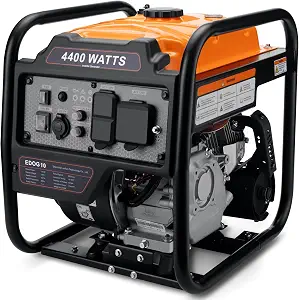
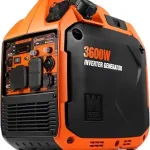
Power Equipment 4400 Watts Inverter Generator Gas Powered
Power Equipment 4400 Watts Inverter Generator Gas Powered (ASIN B0FQ5BB6SS)
Best Budget is an editorial fit for shoppers considering a gasoline inverter generator with a comparatively modest listed output and a small stated fuel tank. The Power Equipment 4400 Watts Inverter Generator Gas Powered provides 4400 peak watts and 3400 running watts. Those are distinct figures: use running watts as the starting point when listing equipment you expect to operate, and consider peak output only in light of the demands of your intended setup. This model may suit a plan built around selected household or recreational loads rather than an assumption that it can power everything. Black Friday shoppers should confirm that the listing is for this exact product before comparing its offer.
Its gasoline fuel and 2 gallon fuel tank make fuel planning part of the purchase decision. Think through where you would store and obtain the fuel, how you would manage refills, and whether that routine fits the way you expect to use the generator. The listing gives a runtime-related operating detail only through its tank size, so do not assume a particular number of hours from that figure. At 56 pounds, it is worth considering who will move it and where it will be kept between uses. The stated noise level is under 72 dBA from 23FT away; retain that measurement and distance when deciding whether the listed noise information is relevant to your setting.
For connections, the unit lists 2*120V AC ports, 1*12V DC port and 1*RV port. Match those outlets to the devices and connection plan you actually have in mind instead of relying on the word “generator” or an RV-oriented label alone. The available facts do not identify every device that can be connected, so check the product listing and your equipment requirements before purchase. Black Friday can make a familiar-looking headline tempting, but compare the exact model and its listed specifications rather than assuming a deal changes what the unit can do. This pick’s Best Budget label identifies its role among the products here; it is not a measured claim about the wider market.
Key specs
Power output
4400 peak watts and 3400 running watts
Fuel
Gasoline
Outlets
2*120V AC ports, 1*12V DC port, 1*RV port
Fuel tank
2 gallon fuel tank
Noise level
Under 72 dBA from 23FT away
Weight
56 pounds
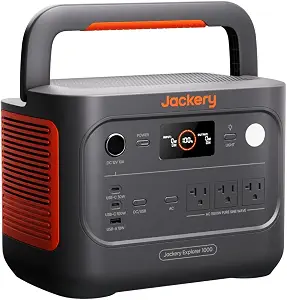
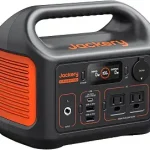
Jackery Explorer 1000 v2 Portable Power Station, 1024Wh LiFePO4 Battery
Jackery Explorer 1000 v2 Portable Power Station, 1024Wh LiFePO4 Battery (ASIN B0D7PPG25F)
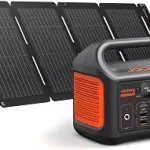
Best Overall is an editorial choice for a shopper whose plan points toward stored battery power and a lighter carry weight. The Jackery Explorer 1000 v2 Portable Power Station, 1024Wh LiFePO4 Battery lists 1,024Wh capacity, 1,500W AC output and a 3,000W surge peak. Capacity and output describe different parts of the decision: estimate how much energy your planned use calls for, then check that the AC output and surge figure fit the equipment you intend to connect. Those figures do not establish a particular runtime for a device, so avoid treating capacity as a guaranteed operating duration. During Black Friday, confirm that the offer is for this model and battery configuration.
The unit uses an LFP battery and weighs 23.4 pounds. That makes its listed weight a useful planning detail if you expect to carry or reposition the power station; consider the route, storage location and who will handle it rather than judging portability by a label alone. A 10ms UPS switchover is also listed. If that feature matters to your setup, check the connected equipment’s requirements and the product details to establish whether the arrangement meets your needs. The specification gives a switchover time, not a promise about every device or every backup scenario, so base the decision on the equipment you intend to support.
Solar charging is listed as compatible only with Jackery solar panels for solar charging. If solar charging is part of your plan, factor that limitation into the complete purchase rather than assuming another panel will work. If it is not part of your plan, focus on the stated capacity, output and weight as they relate to your intended use. Black Friday comparisons should include the exact product and any included items or terms shown in the offer; do not assume a headline specifies a solar panel or accessory. Best Overall here means this model is the broad editorial pick among these three different power options, not a claim that it will suit every buyer.
Key specs
Capacity
1,024Wh capacity
AC output
1,500W AC output
Surge peak
3,000W surge peak
Battery
LFP battery
Weight
23.4 pounds
UPS switchover
10ms UPS switchover
Solar charging
compatible only with Jackery solar panels for solar charging
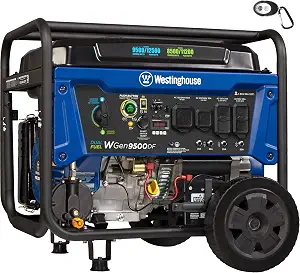
Westinghouse 12500 Watt Dual Fuel Home Backup Portable Generator, Remote Electric Start, Transfer Switch Ready, Gas and Propane Powered
Westinghouse 12500 Watt Dual Fuel Home Backup Portable Generator, Remote Electric Start, Transfer Switch Ready, Gas and Propane Powered (ASIN B07Q1DLKBG)
Best for High-Output Backup is an editorial label grounded in this model’s stated power figures. The Westinghouse 12500 Watt Dual Fuel Home Backup Portable Generator lists 9500 Running Watts and 12500 Peak Watts (Gasoline), or 8500 Running Watts, 11200 Peak Watts (Propane). Decide which fuel arrangement you expect to use, then build a load list around the corresponding running output and account for the peak figure in relation to your equipment’s requirements. These specifications do not guarantee that any particular home can be powered as a whole. For Black Friday, make sure a compared offer is for the same model and fuel-capable configuration.
This generator can use gasoline or propane, and its listed runtime is up to 12 Hours of Run Time. The tank volume is 6.6 gallons. Treat those as planning details, not a promise of the same duration for every load or operating circumstance. Consider which fuel you intend to keep available and how it fits your backup routine. Starting options include Remote Start with Included Key Fob, Electric and Recoil Start. The listing’s several starting methods may be relevant when deciding how you want to start the unit, but check the product details for the setup and operation that apply to your intended use.
Outlet choices include Two GFCI 120V 5–20R 20A Standard Household Receptacle, One Transfer Switch Ready 120V L14-30R 30A, and One RV Ready 120/240V 14–50R 50A. Compare those exact connections with your equipment and planned installation; a transfer-switch-ready outlet is not a substitute for confirming your transfer-switch requirements or installation plan. The listed engine is a Heavy Duty 457cc Westinghouse 4-Stroke OHV Engine Featuring a Long-Lasting Cast Iron Sleeve with Automatic Low Oil Shutdown and Digital Hour Meter. Black Friday shoppers should review the exact listing and offer terms alongside these specifications. The label reflects this product’s stated high-output role among the selections, not a market-wide ranking.
Remote Start with Included Key Fob, Electric and Recoil Start
Runtime
Up to 12 Hours of Run Time
Fuel tank
Tank Volume 6.6 gallons
Outlets
Two GFCI 120V 5–20R 20A Standard Household Receptacle, One Transfer Switch Ready 120V L14-30R 30A, and One RV Ready 120/240V 14–50R 50A
Engine
Heavy Duty 457cc Westinghouse 4-Stroke OHV Engine Featuring a Long-Lasting Cast Iron Sleeve with Automatic Low Oil Shutdown and Digital Hour Meter
Turn the backup problem into a short equipment list
Begin with the situation you are preparing for, then write down the specific equipment you hope to power. Separate essential items from those you could leave off, and note the requirements supplied by their manufacturers. Compare those needs with the generator’s running output, while also considering peak output where relevant. For a battery power station, assess both its stated output and capacity; neither number alone answers every runtime question. The three products here make those distinctions visible: the gasoline inverter model lists 3400 running watts and 4400 peak watts, the Jackery lists 1,500W AC output and 1,024Wh capacity, and the Westinghouse provides fuel-specific running and peak figures. Those figures describe different products and should not be treated as directly interchangeable.
Black Friday browsing can encourage quick comparisons of large headline numbers, but a planned load list is a better filter. If your needs are narrow, a smaller or battery-based arrangement may merit consideration; if your list points to higher output, examine the Westinghouse’s gasoline and propane figures separately. Do not assume any model will cover an entire home, a particular appliance or an unlisted combination of loads. Confirm the requirements of your equipment, then check the product listing for the details that matter to your plan. This step keeps a sale label from becoming a substitute for a fit check.
Decide what kind of energy routine you can manage
Fuel-powered generators and a battery power station call for different planning. The Power Equipment model uses gasoline and lists a 2 gallon fuel tank. The Westinghouse accepts gasoline or propane and lists a 6.6 gallon tank; its up to 12 Hours of Run Time should be understood with the listing’s qualification, not as a guaranteed duration for every use. The Jackery stores energy in an LFP battery, with a stated 1,024Wh capacity. Think about whether you want your plan to depend on managing fuel or on charging and using stored battery energy. This is a practical preference, not a claim that one arrangement is right for everyone.
For solar charging, the Jackery’s stated compatibility is limited to Jackery solar panels. Account for that specific condition if solar is central to your plan, and check the exact listing before assuming what is included. For either fuel model, consider how you would handle fuel as part of the routine; the supplied specifications do not establish a consumption rate. Black Friday offers should be compared against the setup you actually want, including the precise model and terms shown. A lower headline or a fuel-related label does not answer whether you can maintain the arrangement you choose.
Treat moving and placement as part of the choice
A generator’s listed weight can shape how practical it is to move, store and position for your planned use. The gasoline inverter generator is 56 pounds, while the Jackery power station is 23.4 pounds. Those values may help you think through handling, but they do not settle every placement question: consider who will move the unit, the path to its intended location and where it will be kept when not in use. The Westinghouse facts provided here do not state a weight, so compare its listing for that detail if moving it is central to your decision rather than guessing.
The gasoline inverter’s noise specification is under 72 dBA from 23FT away. Keep both the stated level and measurement distance in view; do not turn it into a claim about how the unit will sound in every location. Think about the setting where you expect to operate a generator and consult the product information for additional placement and operating requirements. During Black Friday, avoid letting a compact product photo or portability wording stand in for practical planning. Match the physical unit and its stated details to the people and place involved in your intended routine.
Check the connection path before choosing a model
List the plugs and connection requirements of the equipment in your plan, then compare them with the outlets provided. The inverter generator lists 2*120V AC ports, 1*12V DC port and 1*RV port. The Westinghouse lists two household GFCI receptacles, a transfer-switch-ready outlet and an RV-ready outlet, with their specific types and ratings stated in its product facts. The Jackery’s supplied facts state its AC output but do not give an outlet count or outlet types. Check the listing and your equipment details for any connection information you need instead of filling in what is not specified here.
A port label is only one part of compatibility. Confirm the connection plan for each device, including any transfer-switch requirements relevant to a home-backup setup. The Westinghouse’s transfer-switch-ready outlet does not establish that a particular switch or installation is suitable. Similarly, an RV port does not by itself establish that every RV connection plan will work. These checks are useful whether or not an offer is involved; during Black Friday, make sure the exact product being considered has the outlets you planned around, rather than relying on a broad category description.
Use the offer page to verify the product, not just the event
Black Friday is a reason to compare offers, not evidence that a particular generator is discounted. Start by matching the product name and model in the offer to the one you intended to consider. Then verify the specifications that drove your decision: output and fuel for a generator, or capacity, output and solar-panel compatibility for the Jackery. Review the exact offer terms and variant shown before making a choice. The provided product information does not establish a current price, promotion, included accessory or stock status, so those details must not be assumed from a seasonal headline.
A useful comparison keeps your requirements constant. If you need a fuel-specific output, compare the Westinghouse’s gasoline figures with its propane figures rather than blending them together. If you are assessing the battery station for solar charging, remember its stated Jackery-panel-only compatibility. If the inverter generator’s tank size or outlet arrangement matters, verify those exact details in the listing. This careful approach helps you distinguish a product that matches your plan from an offer that merely sounds attractive, without presuming that any particular deal represents a saving.
Make your Black Friday choice
Choose the power source that fits the way you expect to prepare, then check its listed output, fuel or battery arrangement, connections and handling details against your own plan. The Power Equipment generator, Jackery power station and Westinghouse dual-fuel model serve different decision paths, so the labels in this guide are starting points rather than universal answers. Before completing a Black Friday purchase, verify the exact model, variant and offer terms. A thoughtful match to your intended use is more valuable than choosing on a seasonal headline alone.