Best Computer Monitor Buying Guide — Black Friday Deals 2026
A monitor choice starts with the work and viewing habits you want to support, not with a sale banner. The options here range from Full HD screens to a 4K UHD model, with different panel technologies and motion specifications. For Black Friday, compare the exact model and listed configuration rather than assuming a familiar product name guarantees the same details. The guide below connects each monitor’s supplied features to practical priorities, then offers checkpoints for judging screen detail, motion, connections, placement, and the offer itself.
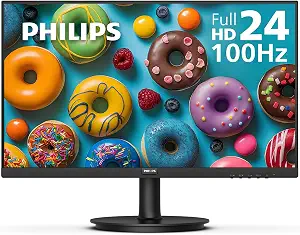
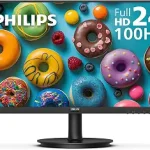
Philips 24 Inch Computer Monitor FHD 100Hz VA VESA Flicker-Free, 241V8LB
Philips 24 Inch Computer Monitor FHD 100Hz VA VESA Flicker-Free, 241V8LB (ASIN B0C8ZKV5R9)
Best Budget is an editorial designation for this selection, not a statement that it has the lowest current price or a verified discount. The Philips 241V8LB is a 23.8-inch monitor with 1920 x 1080 pixels, a 100 hertz refresh rate, and VA LCD display technology. It lists HDMI and VGA connectivity and VESA mount compatibility. Those details make it possible to compare the screen with a desk plan that values Full HD resolution and wants a choice of specified connection types or mounting support.
For a typical day of documents, browsing, and other desktop tasks, start by checking whether the screen size and resolution suit your working distance and the amount of detail you need. This model’s listed format gives you a clear basis for that decision without requiring you to assume how it will perform in a particular room. If you have a mounting plan, VESA Mount compatibility is directly relevant; if you intend to place it on a desk, consider whether the planned position works for your space. For Black Friday, the label is only a starting point: compare the precise listing and included configuration before deciding that an offer fits your budget.
The 100 hertz refresh rate is a useful distinction to weigh if you are comparing display motion specifications. It is not the same kind of information as resolution or panel technology, so consider what each one means for your use instead of treating one figure as an overall quality score. The provided facts identify VA LCD technology but do not give additional panel performance details. Keep the comparison grounded in the specifications that are actually listed, and avoid assuming that a feature name alone guarantees a particular result.
HDMI and VGA are the stated connection options, so check your planned device connections against those types before buying. Mount compatibility can also affect your decision if a VESA mount is part of your intended setup. On Black Friday, compare the exact Philips model shown in the offer, not just a similarly named monitor or a discount headline. This is a sensible candidate to consider when its Full HD screen, refresh rate, specified connections, and mount compatibility line up with the tasks and placement you have in mind.
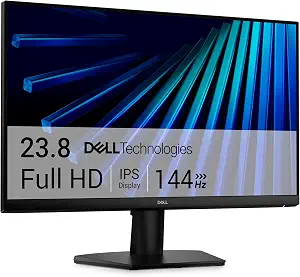
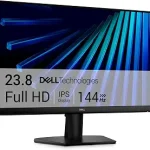
Best Overall is an editorial pick among the monitors in this guide, not a claim of measured superiority. The Dell SE2426H brings together a 23.8-inch screen, 1920×1080 resolution, IPS panel technology, and a 144 hertz refresh rate. Its listed response time is 1 milliseconds, and FreeSync is included among its supplied features. That combination gives shoppers several distinct details to weigh when they want one screen for a varied desktop routine rather than choosing solely by resolution or screen size.
Imagine planning a workday that moves between reading, browsing, and visual content. The Full HD resolution and screen size offer a defined format to compare with the viewing space you have, while IPS panel technology and the stated 178 degrees viewing angle may matter if you do not always sit directly in front of the display. These facts are useful comparison points, not a promise about how the screen will look in every room or at every position. For Black Friday, consider whether those details match your own setup before letting a headline offer drive the decision.
If motion specifications are high on your list, note the 144 hertz refresh rate, 1 milliseconds response time, and FreeSync as separate features. They may make this a candidate to investigate for a desk routine that includes motion-heavy content, but the supplied details do not establish a particular experience or outcome. Check what your own equipment and intended use call for, then compare those needs with the listing rather than treating a specification as a universal verdict.
The two HDMI ports give you a concrete connection detail to compare against the devices you plan to use. Confirm that the ports and any other connection needs in your setup align with the listing before checkout; do not assume a connection type that is not specified here. During Black Friday, the Best Overall label can help orient a shortlist, but it is not a substitute for checking the exact model and offer details. Choose this option when its stated screen, panel, motion, and connection features collectively fit your priorities.
Key specs
Screen size
23.8-inch
Resolution
1920×1080
Refresh rate
144 hertz
Response time
1 milliseconds
Panel technology
IPS
Adaptive sync
FreeSync
HDMI ports
Total Number of HDMI Ports 2
Viewing angle
178 degrees
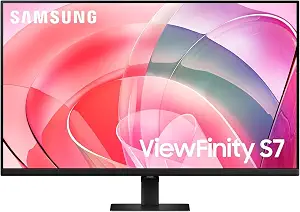
SAMSUNG 27-Inch ViewFinity S7 (S70D) Series 4K UHD Monitor, LS27D702EANXGO
Best for 4K detail is an editorial label based on the supplied resolution, not a claim that this monitor is best for every kind of work. The Samsung ViewFinity S7 (S70D) has a 27-inch screen and 4K UHD 2160p resolution. Its listed refresh rate is 60 hertz, response time is 5 milliseconds, and aspect ratio is 16:9. It also has a matte screen finish and listed brightness of 350 cd. These specifics set it apart in a comparison where resolution and screen area are key priorities.
As you plan a workspace, ask whether the additional detail represented by a 4K UHD screen is useful for the material you view and the tasks you do. The 27-inch screen gives you another screen size to assess alongside resolution, rather than treating either feature in isolation. The matte finish and stated brightness are also details to review against your room and viewing preferences; the supplied facts do not establish how the screen will appear in your particular lighting. For Black Friday, compare the full model name and these exact specifications before weighing an advertised offer.
The 60 hertz refresh rate and 5 milliseconds response time provide motion-related points for your shortlist. They are distinct from the 4K resolution, so decide which category matters most for your everyday use. If your work centers on detailed imagery or text, resolution may be a central question; if motion specifications matter more, compare those figures with the other models and your own priorities. Neither focus makes the other details irrelevant, and the listing facts alone do not promise a specific viewing result.
This model’s 16:9 aspect ratio and matte finish can help you narrow the shortlist based on the format and surface description you want. The brightness is listed as 350 cd, a useful detail to check alongside your intended setting without assuming a particular room outcome. During Black Friday, the Best for 4K detail label should point you toward the relevant feature, not pressure you into buying. Consider this Samsung when its resolution, screen size, finish, and motion specifications align with your plans.
Key specs
Screen size
Screen Size 27 inches
Resolution
Resolution 4K UHD 2160p
Refresh rate
Refresh Rate 60 hertz
Response time
Response Time 5 milliseconds
Aspect ratio
Display Aspect Ratio 16:9
Screen finish
Screen Finish Matte
Brightness
Brightness 350 cd
Build a shortlist around the day’s main tasks
Before comparing monitor listings, picture the tasks that will take up most of your time. A screen used mainly for reading and general desktop work may lead you to prioritize a comfortable size and a resolution that suits the material. Someone who often works with detailed visual content may put resolution higher on the list. If the screen will serve several different purposes, note which needs are essential and which are simply appealing. This keeps a long specification list from becoming a collection of unrelated numbers.
The three choices here make the tradeoffs visible: two are 23.8-inch Full HD models, while the Samsung is a 27-inch 4K UHD option. That does not automatically make one the right choice for a particular desk or job. Think about the screen area you want, the detail you need, and how the display will fit into your routine. Then compare the relevant facts: the Philips lists VA LCD technology, the Dell lists IPS, and the Samsung provides a matte finish and a 16:9 aspect ratio. Treat each as a filter, not a conclusion.
Black Friday can make it tempting to start with whichever listing looks most prominent. Instead, write down your use priorities first, then use them to assess the offer. If a lower-cost choice is your focus, the Philips carries the Best Budget editorial label, but the label does not establish its current price. If detail matters most, the Samsung’s 4K UHD resolution is a specific reason to consider it. A task-led shortlist makes the offer comparison more useful.
Separate screen detail from screen size
Screen size and resolution answer different questions. Size tells you how large the display is; resolution describes the pixel dimensions or format provided in the listing. A larger screen is not automatically the best fit if you do not need its area, and a higher-resolution option is not automatically the best fit if your priorities lie elsewhere. Consider both together with your viewing distance, the kind of material you use, and the space available for the display.
The Philips and Dell are each listed at 23.8 inches with Full HD resolution, though their resolution formatting differs in the supplied specifications. The Samsung is listed at 27 inches with 4K UHD 2160p resolution. Those are useful points for narrowing a shortlist, not guarantees about how much content will fit or how it will appear in a specific application. Think through what you expect to read or view, and make sure the chosen screen format serves those tasks.
During Black Friday, compare resolution and size on the exact model page rather than relying on a broad category description. Check that the selected variant is the one you meant to consider. If the offer is for a 4K display, ask whether that detail is valuable enough to guide your choice; if you are considering Full HD, assess whether it suits the level of detail you need. The right comparison is about fit with your work, not a contest in which one specification always wins.
Interpret motion details by the content you use
Refresh rate and response time are related to motion specifications, but they are separate figures and should be evaluated as such. The Dell lists a 144 hertz refresh rate and a 1 milliseconds response time. The Philips lists a 100 hertz refresh rate, while the Samsung lists a 60 hertz refresh rate and a 5 milliseconds response time. These facts help you compare the models, but they do not establish a particular user experience or make every other feature less important.
Ask how often your routine involves moving visuals and whether motion-related specifications are a priority for you. If that category matters, note the relevant figures and any listed feature such as FreeSync on the Dell. If it is not central to your use, you may prefer to focus more on resolution, panel technology, screen finish, or connection needs. Avoid assuming that a larger figure on one specification answers every question about the display.
Black Friday listings can foreground one appealing number while leaving other decision points easy to overlook. Keep your comparison consistent: review refresh rate alongside response time when both are provided, and record when a model’s supplied facts do not include one of those details. Do not fill gaps with assumptions. A short list of what matters for your use can help keep motion specifications in perspective as you compare exact offers.
Check the practical fit of panel, ports, and placement
Panel and viewing details can influence which options deserve closer consideration. The Dell is identified as IPS and lists a 178 degrees viewing angle; the Philips is identified as VA LCD. Those labels are useful for comparing the supplied facts, but they do not provide a full account of how either screen will look in every situation. Consider where you usually sit and whether other people may view the display from different positions, then look for information that directly addresses your requirements.
Connections and placement deserve a separate check. The Philips lists HDMI and VGA, and VESA Mount compatibility. The Dell lists two HDMI ports. The Samsung facts provided here specify a 16:9 aspect ratio and matte screen finish, but do not provide connection or mount details. Do not infer that a detail is present or absent when it is not listed in the supplied specifications. Compare the listing with the devices and placement plan you actually have.
Before a Black Friday purchase, confirm that the exact model and its listed connections fit your setup. If mounting matters, verify the relevant compatibility details on the offer page rather than assuming that monitors share the same mounting arrangement. If you plan to use a stand or another placement, check the product information for the details you need. These practical checks can prevent an appealing screen specification from distracting you from whether the monitor fits the space and equipment you intend to use.
Use offer details as a final decision checkpoint
A Black Friday headline is not enough to establish whether a monitor is the right purchase. First decide which model and features you want; then compare the offer with that choice. Confirm the exact model name and listed configuration, and check that the page describes the screen size, resolution, and other features you relied on. If you are comparing more than one listing, keep the same priorities in view so that a highlighted detail does not turn into an apples-to-oranges comparison.
Do not assume that a sale is active, that a particular price is favorable, or that an offer applies to every version of a product. Those details can change and are not established by this guide. Instead, inspect the current listing and compare the displayed offer information with your own budget and requirements. The Best Overall, Best Budget, and Best for 4K detail labels are editorial signposts for this selection; they are not market-wide awards or evidence of measured superiority.
If the offer and model match your shortlist, take a final moment to revisit the details that mattered most: screen format, motion specifications, panel or finish, and connections or placement. If an essential detail is unclear, seek confirmation in the listing before deciding. Black Friday can be a useful time to compare, but a clear match between the product and your needs matters more than an urgent-sounding banner.
Make your Black Friday choice
A good monitor decision is a sequence of practical checks: identify your main tasks, choose the screen size and resolution that suit them, weigh motion and panel details, and confirm connections and placement. The Dell is the Best Overall editorial pick here, the Philips is labeled Best Budget, and the Samsung is Best for 4K detail, each for a distinct reason grounded in its listed features. For Black Friday, verify the exact model and offer before buying. Let the specifications that matter to your routine—not the sale headline alone—settle the shortlist.