Best Laptop Usa Buying Guide — Black Friday Deals 2026
Choosing a laptop in the USA starts with the work you expect it to handle: everyday documents, a portable setup, expandable storage, or a high-resolution touch display. These three options differ in their listed processors, memory, storage, screens, and operating systems, so compare the specifications that matter to your routine rather than choosing by name alone. Black Friday can be a useful time to review offers, but a seasonal label does not establish that a particular configuration is a good fit. Check the exact model and included specifications before deciding, and treat each recommendation below as a guide to priorities—not a claim of tested superiority.
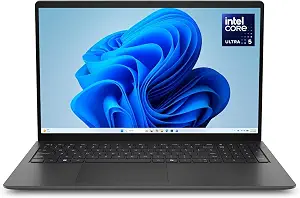
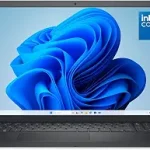
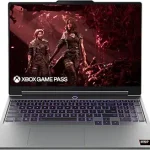
Dell 15.6 Laptop, FHD, Intel Core Ultra 5 225U, 16GB RAM, Windows 11 Home
Dell 15.6 Laptop, FHD, Intel Core Ultra 5 225U, 16GB RAM, Windows 11 Home (ASIN B0GPW3BJ6V)
Best Overall is an editorial choice among these three listings for shoppers who want a broadly specified Windows laptop. This configuration pairs an Intel Core Ultra 5 Processor 225U with 16 GB of DDR5 memory, 512 GB of storage, and Windows 11 Home. Those details give you concrete points to compare with the applications and files you expect to use. They do not, by themselves, establish how a particular workload will perform, so check any software requirements that matter to you before buying.
The 15.6-inch display has a resolution of 1920 x 1080 pixels. That combination may suit someone who prefers a larger screen area for reading, writing, or keeping several pieces of information in view, while the resolution provides a clear comparison point against other listings. Consider whether this screen size fits your desk and travel habits; the provided details do not specify the laptop’s weight or other portability characteristics. The 512 GB storage figure is also worth comparing with the amount of local file space you want available.
For Black Friday, use this option as a reference configuration rather than assuming a seasonal offer is automatically compelling. Confirm that the listing you are considering is the same version with the Intel Core Ultra 5 Processor 225U, 16 GB DDR5 memory, 512 GB storage, and Windows 11 Home. The Best Overall label reflects the combination of those listed specifications, not a measured ranking. If your priorities are a larger display and a particular system and memory configuration, this is a sensible listing to investigate; if another feature matters more, compare that requirement directly.
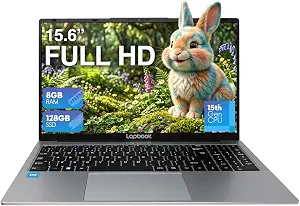
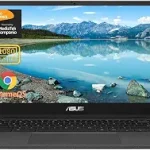
S15 N6 15 Inch Lightweight Laptop (ASIN B0GX2LND12)
Best for expandable storage is the editorial label for this 15.6-inch laptop because its listing specifies storage expansion up to 2TB. It comes with a 128GB M.2 SATA SSD, so distinguish the installed storage from the stated future expansion capacity when deciding whether the configuration suits your files. The expansion figure does not tell you what is included at purchase; verify the exact offer and what it contains instead of treating the maximum as installed space.
The listed processor is an Intel N150, with speeds up to 3.6 GHz, alongside 8GB of RAM and Windows 11 Home. Its display resolution is 1920 x 1080 pixels. These are useful details to compare against your expected applications, multitasking habits, and screen preferences, but they are not a substitute for checking specific software requirements. The 8GB memory figure and 128GB installed storage may be important constraints for a shopper who keeps many files or expects to use memory-intensive applications, so consider those needs before focusing on expansion.
The listing also specifies Wi-Fi 5, Bluetooth 5.0, and a weight of 1.62 kg. Those details give you concrete information for comparing connectivity and carrying needs, without establishing how a wireless connection will perform in your setting. During Black Friday, check that the offer retains the same N150 processor, memory, installed SSD, and expansion description. This recommendation is about the stated storage-expansion option, not a claim that the laptop includes added storage or that an expansion is effortless. Choose it when future capacity is a priority and the starting configuration also meets your needs.
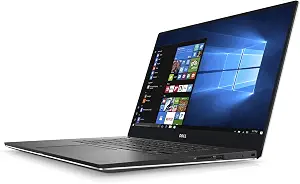
Best for a 4K touch display is an editorial description of this Dell listing’s most distinctive provided screen detail: a 15.6-inch 4K Ultra HD display with a resolution of 3840 x 2160 and touch capability. That may appeal if high display resolution and touch interaction are central to your shortlist. The specification alone does not tell you how the screen will feel in daily use, so consider your preferred way to interact with a laptop and whether the listed display characteristics match your priorities.
The configuration lists a 7th Generation Intel Core i5-7300HQ Quad Core Processor, 8GB DDR4-2400MHz memory, and a 256GB PCIe Solid State Drive. The memory can be expanded up to 32GB, with additional memory sold separately. Treat that as a possible upgrade path, not as memory included with the laptop. The listing also specifies NVIDIA GeForce GTX 1050 graphics. Check the requirements of the applications you plan to use rather than assuming these specifications guarantee a particular result.
Its operating system is Windows 10 Home 64bit English, and the listing states that it has no optical drive. Those details deserve attention if your software, workflow, or media routine depends on a particular operating system or optical media. For Black Friday, verify the exact model and configuration instead of relying on a short title or an offer description that may omit key details. The Best for a 4K touch display label identifies the supplied screen feature; it does not establish an overall performance ranking. Weigh that display against the listed memory, storage, processor, and operating system before choosing.
Key specs
Processor
7th Generation Intel Core i5-7300HQ Quad Core Processor (6M cache, up to 3.5 GHz)
Memory
8GB DDR4-2400MHz up to 32GB (additional memory sold separately)
Storage
256GB PCIe Solid State Drive, No Optical Drive
Display
15.6-inch 4K Ultra HD (3840 x 2160) InfinityEdge touch display
Graphics
NVIDIA GeForce GTX 1050
Operating system
Windows 10 Home 64bit English
Begin with the tasks you want the laptop to support
Before comparing listings, write down a few examples of what you will do: prepare documents, keep personal files locally, view detailed content, or use software with specific system requirements. Then turn those examples into checks against the supplied specifications. For instance, someone who wants Windows 11 Home can distinguish the first two listings from the one that lists Windows 10 Home 64bit English. That does not decide which system is right; it makes the operating-system choice visible early, when it can still guide the shortlist.
Memory and storage deserve separate questions. Ask how much local space you want on day one, then whether a stated expansion option matters later. The Dell 15.6-inch configuration lists 16 GB of DDR5 memory and 512 GB of storage; the S15 N6 lists 8GB of RAM and a 128GB M.2 SATA SSD, with expansion up to 2TB; the XPS listing specifies 8GB DDR4-2400MHz memory and a 256GB PCIe SSD. These are factual distinctions, not promises about how your own workload will run.
For Black Friday, use this task list to compare exact configurations rather than promotional wording. A headline cannot tell you whether the processor, installed memory, storage, display, or operating system is the version you intended to consider. Recheck the listing details, then decide whether each specification answers a real need or is simply a feature you may not use.
Choose screen details for the way you look at content
Screen size, resolution, and touch capability answer different questions. The Dell and S15 N6 listings each specify a 15.6-inch display at 1920 x 1080 pixels. The XPS listing specifies a 15.6-inch 4K Ultra HD touch display at 3840 x 2160. If a larger viewing area is a priority, all three provide the same stated diagonal measurement; if the higher listed resolution or touch capability matters to you, only the XPS entry supplies those details. No single screen specification tells you which display will feel best in your room or routine.
Think about the content you actually view and how you prefer to interact with it. A shopper reading, writing, or organizing windows might focus on screen size and resolution, while someone who specifically wants touch interaction can treat that as a requirement to verify. These are ways to structure a decision, not promises that one screen improves a task. The provided records do not describe other display characteristics, so avoid filling in those blanks from a product name or an assumption.
During Black Friday, match the precise display description to the offer you are considering. Confirm both the resolution and any touch designation rather than relying on a general screen-size phrase. If two configurations seem close, put the screen requirement beside your operating-system and storage needs; a preferred display may not outweigh a mismatch elsewhere in your setup.
Separate space on the drive from room to expand
Storage comparisons are clearer when you distinguish what the configuration lists as installed from what it says may be possible later. The Dell listing gives 512 GB of storage, the S15 N6 lists a 128GB M.2 SATA SSD and expansion up to 2TB, and the XPS listing specifies a 256GB PCIe Solid State Drive. These descriptions are not interchangeable: a stated expansion limit is not the same as storage already included. Consider how many files you expect to keep on the laptop and whether an expansion path is part of your plan.
Also keep memory separate from drive capacity. The first configuration lists 16 GB DDR5 memory; the other two list 8GB, with the XPS entry specifying DDR4-2400MHz and expansion up to 32GB with additional memory sold separately. More storage does not mean more memory, and a memory upgrade statement does not increase the listed drive capacity. Check application requirements and your own habits against both categories rather than treating one number as a stand-in for the other.
When reviewing a Black Friday offer, check whether its exact configuration matches the storage and memory details you intended to compare. For the S15 N6 in particular, keep the installed 128GB SSD and the stated expansion up to 2TB as two separate facts. For the XPS, note that additional memory is sold separately. This helps prevent a future option from being mistaken for an included component.
Read processor and system details as a requirements check
Processor names can help identify configurations, but the practical question is whether the listed system meets the requirements of your intended applications. The three records name an Intel Core Ultra 5 Processor 225U, an Intel N150 processor with speeds up to 3.6 GHz, and a 7th Generation Intel Core i5-7300HQ Quad Core Processor with a stated maximum of up to 3.5 GHz. Those descriptions are useful for matching a listing to requirements; they do not establish comparative results for a workload that has not been specified.
The operating systems differ too: two listings specify Windows 11 Home, while the XPS listing specifies Windows 10 Home 64bit English. If a program, workplace, or personal preference calls for a particular system, make that a direct check before comparing other details. The provided information does not establish compatibility with any particular application, so consult the requirements relevant to your own use rather than inferring support from the laptop’s name.
For Black Friday, keep a short checklist with the processor, operating system, memory, and storage written out. Compare those details with the exact configuration being offered. This makes it easier to spot when a listing title sounds similar but a listed component differs. A clear match to your requirements is more useful than treating a general category label as proof that a laptop suits every kind of work.
Use the offer as a final check, not the starting point
A seasonal offer should be evaluated against the configuration and the needs you already identified. First select the features that matter most, such as a particular operating system, installed storage amount, display type, or stated expansion option. Then confirm that the product page describes those same features. For these three listings, that means distinguishing the Dell with 16 GB DDR5 memory and 512 GB storage, the S15 N6 with its stated expansion capacity, and the XPS with its 4K touch display.
Next, consider which tradeoff you can live with. You might prefer the Dell listing’s combination of processor, memory, storage, and Windows 11 Home; prioritize the S15 N6’s stated storage expansion while accounting for its listed installed SSD and memory; or put the XPS display first while checking its operating system and memory details. Those are preference-based paths, not objective rankings. If a specification you need is not included in the information available, do not assume it is present—verify the exact listing before making a decision.
Black Friday language can draw attention to a product, but it does not tell you whether the configuration is right for you or establish that an offer is a promotion. Compare the exact model and specification set, and use the same checklist for every option. That approach keeps the decision tied to verifiable details and your own priorities.
Make your Black Friday choice
The best choice depends on which specification answers your own most important need. The Dell configuration is the editorial Best Overall among these options, the S15 N6 is labeled Best for expandable storage, and the XPS is labeled Best for a 4K touch display; each label points to a stated feature, not a universal winner. Before choosing during Black Friday, revisit the exact configuration, operating system, display, memory, and storage details. A deliberate comparison can help you avoid paying attention to a headline while overlooking the feature—or tradeoff—that matters in your day-to-day setup.