Best Laptop Students Buying Guide — Black Friday Deals 2026
Shopping for a laptop for students starts with the work it must support, not the size of a Black Friday banner. These three options cover different priorities: a basic Chrome OS setup, a touchscreen Chromebook, and a Windows-model listing with a larger touchscreen and more memory and storage. Their specifications give you useful comparison points, but they do not establish which one suits every course or student. Check the school’s software requirements, the student’s file habits, and the exact product configuration before choosing. During Black Friday, compare the offer attached to the specific model and variant you intend to buy; do not assume a promotion applies across similar-looking listings.
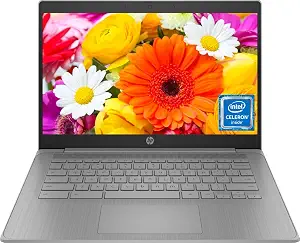
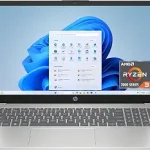
HP 14″ HD Chromebook Laptop for Students (ASIN B0C8171GTK)
Best Budget is an editorial fit for shoppers who want a straightforward Chromebook configuration and are prioritizing the listed entry-level components. It has an Intel Celeron N4120 processor with 4 Cores & Threads, 4GB RAM, and 64GB eMMC storage. Chrome OS is the operating system, so this listing makes most sense after checking that the student’s required coursework and software fit the school’s expectations for that platform. The specifications describe what is included; they do not guarantee how any particular course application will behave.
The 14 inches display has a resolution of 1366 x 768 pixels. That gives shoppers concrete screen details to weigh against the kind of reading and document work the student expects to do. If the student frequently works with several windows or needs a particular display resolution for coursework, compare those needs with the stated figures before deciding. The listed wireless specification is 802.11ac, another detail to check against the student’s typical study locations and school requirements rather than treating it as a promise about a particular network experience.
For Black Friday, consider this option when Chrome OS and the listed memory and storage match the student’s plan, rather than assuming the lowest-looking offer is automatically the right choice. Think about where coursework files will live and whether the student’s normal tasks fit the configuration; the 64GB eMMC figure is a useful starting point for that conversation. This recommendation is not a claim that the laptop will suit every workload or that it is the cheapest listing during a sale. Verify the exact model, configuration, and terms shown on the offer page, then compare it with the requirements that matter to the student.
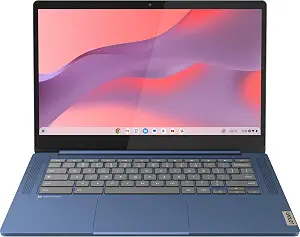
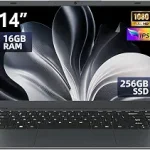
Best Overall is the editorial label for this Chromebook because its stated combination brings together a touchscreen, a named octa-core processor, Wi-Fi 6, and a listed battery-life figure. Those features make it a useful middle point to examine among these choices, not a measured claim that it outperforms the others. The 14″ Full HD Touchscreen provides a different display description from the HD panel in the budget option. A student who prefers touch input can consider that feature, while still checking whether the course’s required apps and workflow are appropriate for Chrome OS.
Its MediaTek Kompanio 520 processor is specified as Octa-Core, with 4x A73 @2.0GHz + 4x A53 @2.0GHz. The configuration also lists 4GB RAM and 64GB eMMC, alongside Google Chrome OS. These details help set expectations and prompt practical questions: how much local storage does the student need, and do the school’s instructions fit this operating system? Avoid reading a core count or processor description as a guarantee of speed for a particular task; course requirements and the software involved should guide the decision.
The listing states Wi-Fi 6, 11ax 2×2 + Bluetooth 5.1 combo and battery life of 13.5 hours. Treat the battery figure as a listed specification rather than a promise about a student’s day, since the information here does not describe the conditions behind it. For Black Friday, check that the offer is for this exact touchscreen Chromebook and configuration, then compare the final listed terms with other candidates. This can be a considered all-round pick if the platform, storage, and memory suit the student, but the Best Overall label is an editorial selection among these featured products—not a test result or a market-wide award.
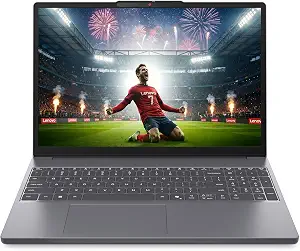
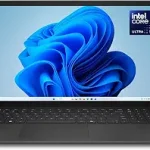
Best for a larger touchscreen workspace is the editorial label for this IdeaPad Slim 3i, based on its 15.3″ WUXGA Touchscreen Display. The larger stated screen size may be a priority for students who want more room to view course material, but it does not establish that the laptop is the best fit for every desk, bag, or class. Before choosing, consider where the student will use it and whether the display’s stated size and touchscreen format suit that routine. The label reflects this particular feature, not a claim of measured superiority.
The listed configuration includes an Intel Core™ Ultra 5 Processor 322, 16GB RAM, and 1TB SSD Storage. Those figures give shoppers a clear contrast with the two Chromebook configurations, which list 4GB RAM and 64GB eMMC. They are useful when considering how much memory and local storage the student wants, especially if coursework involves keeping files on the device. They do not, by themselves, prove how well a particular application will run. Check course software requirements and the student’s actual file habits rather than choosing based on larger numbers alone.
This model also lists a 120Hz Refresh Rate and a battery capacity of 60 watt-hours. Keep those details in their original context: the refresh-rate specification is a display attribute, while battery capacity is not a stated runtime. For Black Friday, verify that the offer is for the IdeaPad Slim 3i with the configuration described here. Listings can present options, so match the processor, memory, storage, and display details to the specific variant in the offer. Consider this choice if the larger touchscreen workspace and stated configuration align with the student’s needs; compare the whole setup, not just the feature that first catches the eye.
Key specs
Processor
Intel Core™ Ultra 5 Processor 322
Display
15.3″ WUXGA Touchscreen Display
Memory
16GB RAM
Storage
1TB SSD Storage
Refresh rate
120Hz Refresh Rate
Battery capacity
60 watt-hours
Build a shortlist from the student’s actual coursework
Start by asking what the student must do, then use those requirements to narrow the options. A school or instructor may specify software, an operating system, or other requirements; confirm those details before comparing attractive features. Two of these products list Chrome OS, while the IdeaPad Slim 3i listing does not provide an operating system in the supplied specifications. Do not assume compatibility or infer an unlisted feature. If a requirement is unclear, get clarification from the school or course provider before committing to a device.
Next, picture a normal study session: reading instructions, writing, keeping course files, and working in the places the student expects to use the laptop. This self-assessment helps distinguish a simple configuration from a device whose stated screen or memory details better match a particular preference. It also keeps a Black Friday search grounded in practical needs rather than urgency. Make a short list of must-haves and preferences, and only compare offers that clearly identify the model and configuration. If an offer does not make the relevant details clear, it is not a sound basis for deciding whether the laptop meets the brief.
Decide how much room files and active work need
Memory and storage answer different questions. RAM is the listed memory for working tasks; storage is the stated capacity for keeping data on the device. The two Chromebook listings each specify 4GB RAM and 64GB eMMC, while the IdeaPad Slim 3i lists 16GB RAM and 1TB SSD Storage. Those are meaningful configuration differences, but they do not tell you how much space a student’s files will occupy or how a particular application will perform. Review the coursework and the student’s habits before treating any configuration as sufficient.
Ask whether the student expects to keep many course files locally, and whether the school gives guidance about saving or managing work. Do not assume that a particular cloud service, expansion option, or storage workflow is included; none is established by these product facts. A student who mainly needs a defined basic setup may view the Chromebook figures differently from someone who specifically values the IdeaPad’s listed capacities. During Black Friday, match the stated memory and storage against the exact offer variant. A close model name is not enough if the configuration details differ or are not shown.
Choose a screen around real study habits
Display preferences are easier to judge when connected to actual use. The HP Chromebook lists a 14 inches display with 1366 x 768 pixels. The Lenovo Chromebook lists a 14″ Full HD Touchscreen, while the IdeaPad Slim 3i lists a 15.3″ WUXGA Touchscreen Display. These descriptions give you size, resolution, or touch information where specified; they do not establish brightness, color quality, or how comfortable the screen will feel to a particular student. Keep the comparison to what is stated, then consider the student’s own preferences.
Think about whether the student values touch input, a stated larger screen, or the simpler display description of the budget Chromebook. A touchscreen may be appealing, but it should not displace a course requirement or the student’s preferred way of working. If possible, consider the intended study setting and whether a larger display fits it; do not assume anything about weight or portability from screen size alone. A Black Friday offer can make a feature look especially tempting, so decide which screen details are genuinely useful before comparing the deal. That makes it easier to avoid paying attention to a specification that does not solve the student’s actual problem.
Read connectivity and battery claims with care
Wireless details are not interchangeable promises about performance. The HP listing specifies 802.11ac. The Lenovo Chromebook specifies Wi-Fi 6, 11ax 2×2 + Bluetooth 5.1 combo. Consider these descriptions alongside the networks the student expects to use and any school guidance, without assuming that a particular connection outcome is guaranteed. If wireless capability is a must-have, verify the exact listing and check whether the named specification meets the student’s stated requirement.
Only the Lenovo Chromebook provides a battery-life figure here: 13.5 hours. The IdeaPad Slim 3i lists battery capacity of 60 watt-hours, which is a capacity figure rather than a stated runtime. No battery-life figure is provided for the HP Chromebook. Do not turn those different kinds of information into a direct runtime comparison. A Black Friday decision should preserve that distinction: compare the stated facts, and seek any additional information you need from the product listing rather than extrapolating from a specification. Consider how the student expects to use the device, but avoid treating a listed figure as a guarantee of everyday results.
Check the offer details before you commit
A Black Friday label does not tell you whether an offer matches your shortlist. Check the exact model name and the configuration displayed with the offer, including processor, memory, storage, and screen details that matter to your choice. The products here have distinct configurations, and shoppers should not assume that a deal for a similar-looking listing refers to the same variant. Compare the offer’s stated terms as presented, without relying on an assumed discount, price history, or availability.
Use a simple final check: does the listed operating system fit the course requirements, do the specified components suit the student’s intended work, and is the screen a reasonable match for their preferences? For a Chromebook, confirm that Chrome OS is appropriate; for the IdeaPad, verify any information about the operating system that the student needs, since it is not specified in these facts. If an offer omits a detail that would change the decision, pause and verify it. The aim is not to chase every Black Friday promotion, but to choose a clearly identified configuration that fits the student’s real checklist.
Make your Black Friday choice
The right laptop for students is the one whose stated configuration fits the work the student actually needs to do. The HP Chromebook offers a basic Chrome OS setup, the Lenovo Chromebook combines a touchscreen with its listed wireless and battery details, and the IdeaPad Slim 3i stands out here for its larger touchscreen and stated memory and storage. Treat those distinctions as decision aids, not universal rankings. Before a Black Friday purchase, confirm course requirements and the exact offer variant. A careful match is more useful than a sale label on its own.