Best Good Tablet Buying Guide — Black Friday Deals 2026
What would make a tablet useful in your day: a screen for video, room for files, or a configuration that balances several needs? These three options offer different starting points. One emphasizes an approachable screen and expandable storage, another pairs an 11-inch display with listed memory and Android 16, and a third lists more built-in storage and memory. For Black Friday, compare the exact model and configuration shown on the listing rather than assuming every offer covers the same version. The right choice depends on which specifications matter in your routine and which details you still need to confirm before buying.
Best Budget is the editorial label for the option whose listed details may suit shoppers keeping their priorities focused. The Fire HD 10 has a 10.1″ 1080p Full HD display, an octa-core processor, 4 GB RAM, and 32 GB of storage. Its stated battery figure is 13-hour battery of video playback, and it has a 5 MP front-facing camera. Those specifications give a shopper several concrete questions to consider: Is this screen size right for the room and the way you hold a tablet? Is the listed storage appropriate for your plans? Would expandable storage be useful?
The listing says storage can be expanded up to 1 TB with a micro-SD card, sold separately. That makes the stated built-in capacity and expansion option distinct considerations: decide whether you want to rely on the included 32 GB, add a separately purchased card, or compare another configuration. The playback battery figure is qualified specifically as video playback, so do not treat it as a guarantee for every activity. Likewise, the camera resolution tells you the listed front-camera specification, but not how it will perform in every lighting condition or app. These distinctions help keep expectations tied to the available facts.
During Black Friday, this can be a sensible budget-oriented candidate if the screen, stated playback figure, and possible micro-SD expansion align with your priorities. The label is a guide to fit within these featured choices, not a verified price ranking or a promise that a deal is active. Check the exact listing and variant, including whether the card you might want is sold separately. Think through ordinary uses such as watching a video, joining a call, or keeping a small collection of files on the device, then compare the listed specifications with those needs. If a particular operating system, app, or accessory is essential, confirm it on the listing rather than assuming it from the product name.
Key specs
Display
10.1″ 1080p Full HD display
Processor
octa-core processor
Memory
4 GB RAM
Storage
32 GB
Battery
13-hour battery of video playback
Front camera
5 MP front-facing camera
Expandable storage
up to 1 TB expandable storage with micro-SD card (sold separately)
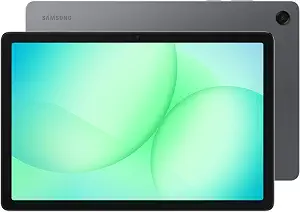
Best Overall is an editorial fit label for shoppers who want a middle-ground option among these three listings, not a claim of measured superiority. This Samsung listing combines 6GB RAM and 128GB Storage with an 11-inch display at 1920 x 1200 pixels. Its listed 90 Hz refresh rate adds another screen detail to weigh if display characteristics influence your choice. Android 16 is the specified operating system. Together, those details give shoppers a compact set of concrete points to compare when choosing a tablet for general household use, reading, video, or keeping everyday files close at hand.
A useful way to assess this configuration is to separate the appeal of its screen from the appeal of its memory and storage. The listed resolution and refresh rate describe display specifications; they do not, by themselves, establish how a particular app or video will look. The RAM and storage figures are separate listing details, so consider what you plan to keep on the device and how you tend to use apps. Android 16 is relevant if you are comparing operating-system versions, but the supplied information does not establish update timing, app support, or other software policies. Check those details on the current listing if they affect your decision.
For a Black Friday shortlist, this can be a practical candidate if you want an 11-inch screen and a listed combination of 6GB RAM and 128GB Storage without prioritizing the Lenovo’s higher listed storage capacity. That is a description of fit, not a claim that one option is faster or better. Before choosing, confirm the exact product configuration displayed in the offer and compare its stated specifications with the version you intended to buy. The battery capacity is listed as 7040 milliamp_hours; treat that as a capacity specification, not a promise about hours of use. The Best Overall label simply identifies this as the broad, balanced pick in this small selection.
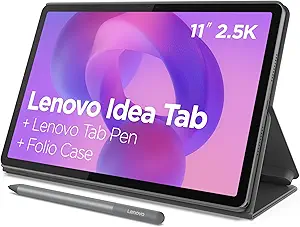
Best for higher listed storage capacity describes the Lenovo Idea Tab’s 256 GB Storage among these three featured options. It also lists 8 GB Memory, an 11″ 2.5K IPS Touchscreen Display – 90Hz, and a MediaTek Dimensity 6300 processor. Android 15 and a battery capacity of 7216 milliamp_hours complete the supplied details. This combination may attract shoppers who place particular weight on the stated storage and memory figures, while keeping in mind that specifications alone do not prove a device will suit every task. The label points to one listed advantage, not an overall performance verdict.
Consider how the screen and capacity fit your likely routine. The 11″ 2.5K IPS touchscreen specification and 90Hz detail give screen-focused shoppers information to compare with the other listings; personal preference still matters, and the figures do not guarantee a particular viewing experience. The 256 GB Storage may be relevant if you expect to keep more files directly on the tablet, while 8 GB Memory is a separate specification rather than extra storage. Android 15 identifies the listed operating system. If a particular app, accessory, or software support period matters, confirm that information for the exact listing because it is not specified here.
For a Black Friday comparison, this is a clear option to investigate when the stated built-in storage capacity is a priority. Compare the exact model and configuration offered, then decide whether its listed display, processor, memory, storage, operating system, and battery capacity match your own checklist. The 7216 milliamp_hours figure is battery capacity, not a stated runtime, so avoid turning it into a prediction of hours between charges. The 90Hz display specification is another point for comparison, not evidence of a guaranteed advantage in every use. Choose this option for the particular listed combination that matters to you, not because the editorial label implies testing or market-wide superiority.
Key specs
Display
11″ 2.5K IPS Touchscreen Display – 90Hz
Processor
MediaTek Dimensity 6300
Memory
8 GB Memory
Storage
256 GB Storage
Operating system
Android 15
Battery capacity
7216 milliamp_hours
Start from a tablet’s place in your day
Before comparing specifications, picture where the tablet will spend most of its time. A device used for video on a table may call for a different screen preference than one carried between rooms for reading, browsing, or calls. The Fire HD 10 lists a 10.1″ 1080p Full HD display, while the Samsung and Lenovo listings each describe an 11-inch-class screen using their own supplied formats. Those labels help establish a starting point, but they do not tell you which size will feel comfortable in your hands or fit your usual setup. If possible, think about the screen size you already enjoy using.
Then name the tasks that truly matter. Someone who wants room for stored files might focus on listed capacity; someone comparing display details can look at resolution and refresh rate where supplied. A front camera may matter for a shopper considering calls, while the stated video-playback battery figure may be useful when that particular use is relevant. Do not turn any one specification into a universal verdict. A Black Friday deal is only appealing if the exact configuration supports your priorities. Write down your must-haves before browsing so a prominent offer does not distract you from the tablet’s everyday role.
Separate built-in capacity from memory
Storage and memory serve different roles in a specification list, so compare them as separate lines rather than adding them together. The Fire HD 10 lists 32 GB of storage and 4 GB RAM. The Samsung lists 128GB Storage and 6GB RAM, while the Lenovo lists 256 GB Storage and 8 GB Memory. Those are the supplied figures, and each listing uses its own formatting. If you keep files on a device, consider the listed storage as you compare options. If you are comparing memory figures, do so independently instead of treating RAM as extra room for photos or documents.
The Fire HD 10 also lists expandable storage up to 1 TB with a micro-SD card sold separately. That qualification matters: expansion is an option to weigh, not included built-in capacity. The other supplied records do not state expansion details, so do not assume either that a feature is present or that it is absent. During Black Friday, check the exact variant and what the listing says comes with it. Ask yourself whether you would rather have the capacity listed as built in, consider a separately purchased card where specified, or prioritize another feature. This simple distinction makes comparisons clearer and helps prevent a headline number from obscuring what the product actually lists.
Read display details as a personal fit
A display specification can narrow a shortlist, but it cannot make the personal decision for you. The Samsung listing gives an 11-inch display, 1920 x 1200 pixels, and a 90 Hz refresh rate. The Lenovo lists an 11″ 2.5K IPS Touchscreen Display – 90Hz. The Fire HD 10 lists a 10.1″ 1080p Full HD display. Keep each description in its original terms when comparing; they are useful clues, not a guarantee about how every kind of content will appear. Consider the viewing distance, the kinds of pages or video you use, and whether screen size is more important to you than other listed features.
A higher-sounding specification should not automatically decide the purchase. The records do not establish brightness, color behavior, viewing angles, or how a particular app uses a display, so verify any such requirement separately. If you are shopping during Black Friday, compare the listing for the precise model and variant, rather than assuming a deal headline describes the screen you want. Decide which display details are essential and which are simply nice to compare. If the screen is not your main priority, a storage, memory, camera, or battery detail may be more useful in narrowing your choices.
Treat battery and software listings carefully
Battery information is not presented in the same way across these options. The Fire HD 10 specifies a 13-hour battery of video playback, which is explicitly tied to video playback. The Samsung lists a 7040 milliamp_hours battery capacity, and the Lenovo lists 7216 milliamp_hours. Capacity and a stated playback duration are different kinds of information; do not convert either capacity figure into a promised runtime or assume the playback figure applies to every activity. If long stretches away from a charger are important to you, look for more usage-specific information on the exact product listing before deciding.
Operating-system details also deserve a careful, practical comparison. The Samsung listing specifies Android 16, and the Lenovo specifies Android 15. No operating system is included in the supplied Fire HD 10 facts, so make no assumption based on that omission. The records also do not state update schedules, software support periods, or app compatibility. If a particular app or software requirement is central to your purchase, confirm it before checking out. A Black Friday offer does not remove the need to match the exact model to those requirements; it simply gives you another reason to compare the listing closely.
Use a Black Friday checklist, not a headline
A deal headline is not enough to establish that an offer suits you, and no active promotion is assumed here. Open the exact listing and confirm the product name and configuration you intend to buy. Compare the specifications shown there with your shortlist: display description, processor where listed, memory, storage, battery details, and operating system where provided. For the Fire HD 10, note that the micro-SD card is sold separately. For the other models, avoid filling in details that the supplied listing facts do not provide. If a detail matters but is unclear, pause and check the listing rather than relying on a general product description.
Next, make the tradeoff explicit. Would you choose the Fire HD 10 for its listed video-playback battery figure and expandable storage option, the Samsung for its combination of an 11-inch display and listed RAM and storage, or the Lenovo for its listed 256 GB Storage and 8 GB Memory? These are ways to organize the choices, not measured performance claims. Before buying, confirm that the offer applies to the intended variant and that any separately purchased item is accounted for in your plan. Keep a short list of must-haves beside the product page; it makes Black Friday comparisons less hurried and more focused on the tablet you will actually use.
Make your Black Friday choice
The best choice here depends on the detail you most want to prioritize: a listed video-playback battery figure and expandable storage, a balanced set of screen and capacity specifications, or higher listed built-in storage. For Black Friday, make the final decision from the exact listing rather than a deal headline. Check the model and variant, compare the features that matter to your routine, and verify any unanswered software or accessory question. That simple checklist can help you choose a good tablet for your needs without treating an editorial label as proof of a universal winner.