Sandisk 2TB Extreme PRO Portable SSD (ASIN B0H4M835X3)
Best Extreme Portable Ssd Buying Guide — Black Friday Deals 2026
An extreme portable SSD shortlist should begin with the files and devices that will travel, not with a Black Friday headline. These three SanDisk options range from a one-terabyte drive with a listed USB 3.0 interface to a two-terabyte Extreme PRO model with higher stated speed figures. The right fit depends on the capacity you need, the connection your setup can use, and which protection or privacy details matter in your routine. Black Friday can be a useful time to compare offers, but it does not make one configuration right for everyone. Start by naming your likely use, then check that the exact listing matches the model and features you intended to choose.
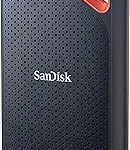
Best Overall is the editorial pick for the SANDISK 1TB Extreme Portable SSD among these three options. Its one-terabyte capacity gives the comparison a straightforward middle ground: enough room to consider for a selected collection of working files, photos, or other material you want to carry, without moving immediately to the two-terabyte model. Those are planning examples rather than a promise about how many files fit; actual space needs vary with file sizes and what you keep. For Black Friday shoppers, the practical first question is whether one terabyte fits the collection you expect to bring along.
The listed interface is USB 3.0, and the product is specified as compatible with desktops, laptops, smartphones, and tablets. Use that device list as a prompt to check your own equipment and connection needs before buying. Compatibility language alone does not establish that every particular device, cable, or workflow will work as expected, so confirm the exact setup you plan to use. This makes the drive a reasonable candidate to investigate if you want one portable storage option to consider across different kinds of listed devices.
Its stated size is 3.35″L x 2″W x 0.39″Th, and the listed weight is 1.6 ounces. Those details can help you judge whether its physical form suits a bag pocket, desk drawer, or travel kit, without assuming anything about included accessories. The product also lists up to 3M drop protection. Treat that wording as a qualified protection claim, not as a guarantee against every kind of impact or mishap.
The listed 256-bit AES encryption helps keep private files secure with password protection. That may be relevant if the drive will carry personal or work material, while still leaving you to decide what files belong on portable storage and how you manage passwords. The Best Overall label is an editorial choice among the featured products, not a claim of tested superiority. During Black Friday, compare the exact model and its stated capacity, interface, protection, and encryption details rather than choosing from a broad product name alone. If those points match your intended use, this is the one-terabyte option to keep on your shortlist.
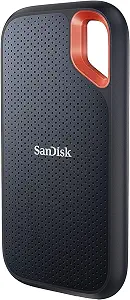
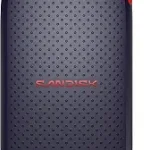
The Sandisk 1TB Extreme Portable SSD is the Best Budget choice in this comparison. That label is an editorial selection, not a statement about its current price or a market-wide award. The records provide no sale price, so Black Friday shoppers should judge the actual offer they see rather than assume a discount. Its one-terabyte capacity gives it the same broad storage tier as the other standard Extreme model here; decide between them by considering their listed features and the offer details, not by treating the shared capacity as a complete comparison.
This drive lists a USB 3.0 interface and read speeds up to 1050MB/s with write speeds up to 1000MB/s. The figures can help shoppers who expect to move sizeable files consider whether the stated performance is relevant to their work. They are product claims, not a guarantee of the speed in every setup. The connected device, files, and task are part of the practical context, so avoid assuming that a stated maximum will describe every transfer you make.
For carrying and exposure considerations, the product lists up to 3-meter drop protection and IP65 water and dust resistance. It also has a handy carabiner loop. Those details may matter when deciding how the drive will travel with your gear, but they should not be expanded into promises about every environment or mishap. Think about your actual carrying routine and check whether these listed features address the concerns you have.
The drive also lists 256-bit AES hardware encryption and the SanDisk Memory Zone app for file management. These are separate considerations: encryption relates to protecting private files, while the app is listed for managing files. Neither replaces checking that the product suits your device and intended routine. On Black Friday, compare the exact listing’s model name and included feature descriptions with what you meant to buy; do not infer that similarly named drives have identical details. The Best Budget label simply marks this product as the value-oriented choice in this three-product guide. It is worth considering if its speed figures, capacity, protection claims, and app listing align with your priorities and the offer you actually find.
Key specs
Storage capacity
1 TB
Interface
USB 3.0
Read and write speeds
up to 1050MB/s read and 1000MB/s write speeds
Drop and water resistance
Up to 3-meter drop protection and IP65 water and dust resistance
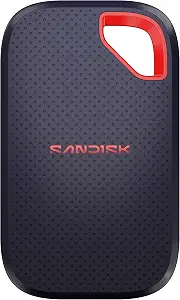
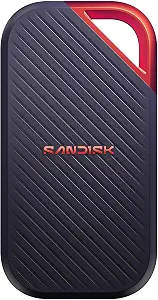
Sandisk 2TB Extreme PRO Portable SSD (ASIN B0H4M835X3)
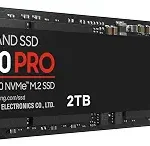
The Sandisk 2TB Extreme PRO Portable SSD is the Best for higher-capacity, high-speed workflows choice. That editorial label follows its listed two-terabyte capacity and its stated read and sustained write speeds; it does not claim independent measurement or prove it will outperform another drive in every setup. For a Black Friday comparison, this is the option to examine if you expect to keep a larger selection of files with you and have a task where the published speed details are relevant. If you do not need the extra listed capacity, it may be more useful to compare the one-terabyte choices against your actual file load.
The product lists read speed of 4000 megabytes_per_second and average sustained write speeds of 3100 MB/s for 2TB-4TB models. The write figure is explicitly qualified for that model range, so keep the qualification attached when comparing listings. These stated values can inform a decision about workflows involving large file transfers, but they do not establish a result for a particular device, connection, file, or session. Match the drive to your complete setup rather than treating a headline figure as a standalone promise.
Connectivity is listed as USB Type C, and compatible devices are given as desktop, laptop, smartphone, and tablet. Check your intended device and the connection path before purchasing; the provided compatibility list does not answer every detail about a particular configuration. The product also specifies IP65 and up to 3M drop protection. Consider those claims in relation to where you carry or use the drive, while keeping their original scope in mind rather than assuming protection against every hazard.
The listing includes 256-bit AES encryption. If privacy is part of your decision, weigh that alongside capacity, connectivity, and the files you plan to carry. Black Friday can bring attention to product names and headline specs, but the useful comparison is the exact offer and variant in front of you. Verify that it is the two-terabyte Extreme PRO model and that its listed details match the workflow you have in mind. Choose this option for the combination of capacity and stated speed figures only when those are meaningful priorities; the Best for label is a guide to its stated features, not a guarantee of measured performance.
Key specs
Capacity
2 TB
Read speed
Read Speed 4000 megabytes_per_second
Sustained write speed
3100 MB/s(2) average sustained write speeds (2TB-4TB models(1))
Connectivity
USB Type C
Protection
IP65 AND UP TO 3M DROP PROTECTION(3)
Encryption
256-BIT AES ENCYRPTION(4)
Compatible devices
Desktop, Laptop, Smartphone, Tablet
Translate a working file set into a capacity choice
Before looking at Black Friday offers, write down what you expect to store on the drive at the same time. A trip folder of selected photos, a collection of current project files, and a broader archive can lead to very different space needs. Think about whether files will stay on the drive, be moved elsewhere after a task, or be refreshed as your plans change. These are useful planning questions, not a formula for predicting an exact number of files from a capacity label.
The featured choices list one terabyte for both Extreme Portable SSD models and two terabytes for the Extreme PRO. If your intended set fits the smaller capacity tier, compare the two one-terabyte models by their other listed features. If you want more room for a larger carried collection, examine the two-terabyte model and decide whether its extra capacity has a purpose in your routine. Avoid buying more storage solely because a Black Friday listing makes a larger option prominent; equally, do not choose the smaller one without considering the files you expect to add.
A useful decision journal can be brief: name the material, note whether it is temporary or long-term, and decide how much of it must travel together. Then compare that need with the capacity of each exact variant. Leave room in your plan for changes in file sizes and future projects, without claiming a precise headroom figure that the product facts do not supply. This approach keeps the capacity decision tied to your own work instead of to a generic description of what a terabyte or two terabytes should hold.
Black Friday offer checks for the exact model
Treat the offer page as a configuration to verify, not just a price headline. Compare the model name, capacity, and product details against the option you meant to consider. This matters here because two products share the one-terabyte capacity and Extreme Portable SSD naming, while the Extreme PRO entry lists two terabytes and a different set of speed and connectivity details. Similar wording is not enough to conclude that the listings are interchangeable.
No current price, discount, stock status, or promotion is provided in this guide. When you encounter a Black Friday offer, assess the actual price shown for the exact variant and compare it with your own alternatives; do not rely on a savings claim without checking what product it applies to. Read the listing carefully for the interface, compatible-device details, and protection or encryption claims that matter to you. If the offer information does not clearly identify the variant, pause before treating it as a match.
A practical comparison note can capture four items: intended capacity, the connection you need, the features you want, and the exact model name shown on the offer. That makes it easier to distinguish a genuine fit from a nearby configuration with a familiar title. Black Friday timing may encourage quick choices, but a short verification step helps preserve the priorities you set before browsing. The goal is not to chase a promotion; it is to establish whether the specific product and offer meet the requirements you already identified.
Fit the connection and stated speeds to the task
Start with the device that will send or receive files. The two one-terabyte models list USB 3.0, while the two-terabyte Extreme PRO lists USB Type C. The products also name desktops, laptops, smartphones, and tablets among compatible devices, but those general lists do not settle every question about your particular equipment. Check the connection available on the device and the details of the setup you intend to use before making a purchase.
Next, consider how important transfer speed is to your ordinary work. The one-terabyte Sandisk Extreme entry lists read speeds up to 1050MB/s and write speeds up to 1000MB/s. The Extreme PRO entry lists read speed of 4000 megabytes_per_second and average sustained write speeds of 3100 MB/s for 2TB-4TB models. Keep the wording and qualifications intact when comparing these figures. The SANDISK one-terabyte entry does not provide speed figures in the supplied details, so do not fill that gap with an assumption.
Ask whether moving large files is a frequent part of your day, or whether capacity and straightforward device fit are more pressing. The listed speed figures can be useful context for the former, but actual results are not established here for your particular workflow. During Black Friday, keep speed claims beside the exact model and connection rather than allowing a prominent figure to decide the purchase alone. If the task is occasional, other stated details may matter more; if speed is a central requirement, check the full setup and offer variant carefully.
Separate travel protection from file privacy
A drive that moves between a desk, bag, and work location brings two different questions: how its stated protection relates to carrying, and how you want to handle private files. The one-terabyte SANDISK listing specifies up to 3M drop protection. The other one-terabyte model lists up to 3-meter drop protection and IP65 water and dust resistance, as well as a carabiner loop. The two-terabyte Extreme PRO lists IP65 and up to 3M drop protection. Keep each claim attached to its own product and wording.
These details are not interchangeable guarantees against every accident or condition. Think through where you expect to carry the drive and which concerns are relevant, then use the stated protection claims as one part of your decision. The carabiner loop is a listed carrying feature on the B08GTYFC37 model; it does not by itself establish how you will attach or protect the drive in your own setup. A Black Friday offer should be checked for the exact model before relying on any of these details.
Encryption is a separate consideration. The SANDISK one-terabyte model lists 256-bit AES encryption with password protection, the other one-terabyte model lists 256-bit AES hardware encryption, and the Extreme PRO lists 256-bit AES encryption. Consider whether those descriptions fit your privacy needs, and plan how you will manage access to files. Do not treat a drop or water-resistance claim as file security, or treat encryption as physical protection. Keeping these questions distinct makes the choice more specific to your routine.
Build a shortlist around your actual routine
Turn the product details into a short list of must-haves and preferences. A must-have might be a particular capacity or a connection that fits your intended device; a preference could be a listed carrying feature or encryption description. Then map each model to that list. The SANDISK one-terabyte option combines USB 3.0, listed device compatibility, up to 3M drop protection, and password-protection wording. The other one-terabyte option adds stated read and write speeds, IP65 water and dust resistance, a carabiner loop, and the Memory Zone app. The two-terabyte Extreme PRO combines the larger listed capacity with USB Type C and its stated speed figures.
Avoid turning those differences into claims that one model suits every person better. A photographer selecting a subset of files to carry, a student organizing current coursework, and someone moving large project files may weigh capacity, speed details, and carrying features differently. These are decision scenarios, not promises about performance or the number of files each drive can hold. Use your own devices and file habits as the deciding context.
For Black Friday, compare the exact product page against your shortlist and confirm that the offer names the variant you expect. A simple question helps: if the offer were not highlighted as a deal, would the listed features still solve the need you wrote down? If not, keep browsing rather than letting urgency substitute for fit. This final check links the model, features, and intended use into one decision, while leaving price judgments to the actual offer available to you.
Make your Black Friday choice
The strongest shortlist is the one built around a real file load and a device you intend to connect, with protection and privacy considered separately. Choose between the one-terabyte models by comparing their distinct listed features, or look to the two-terabyte Extreme PRO if its stated capacity and speed details suit your work. For Black Friday, verify the exact model and offer before deciding; no headline alone establishes value or fit. These editorial labels are pointers within this group, not test results or market-wide claims. Let your own requirements make the final call.