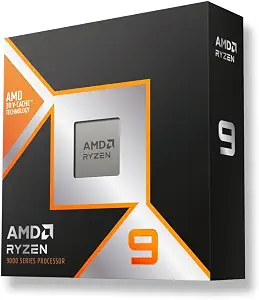
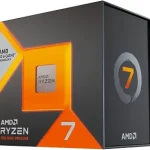
Choosing the AMD Ryzen 9 9900X3D during Black Friday starts with matching its listed specifications to the work you want a desktop processor to handle. The listing identifies a 12-core processor with 24 concurrent threads, a 4.4 GHz processor speed, Socket AM5, 140 MB of installed cache, 12 MB of secondary cache, and a wattage of 120 watts. Those details give you concrete points to check; they do not, by themselves, establish how a particular computer will perform or whether it suits every build. Treat the Black Friday headline as an invitation to inspect the exact offer, not as evidence of a discount or a reason to skip compatibility checks.
This processor is worth considering if your intended tasks make the listed core and thread counts relevant. With 12 processor cores and 24 concurrent threads, the specifications describe the processor’s available core and thread resources, which may help you decide whether it belongs on a shortlist for a mix of computing tasks. They do not promise a particular result in any application. Before a Black Friday purchase, think through the programs you actually use and check whether their requirements or guidance make these figures useful to your plans.
The listing also gives a 4.4 GHz processor speed and 140 MB of installed cache, alongside 12 MB of secondary cache. Keep those entries in their original terms: the source identifies a processor-speed figure and two cache labels, but does not explain how those figures translate into an outcome for a given task. They are useful details to compare with the requirements you care about, not a substitute for them. During Black Friday browsing, be wary of drawing a performance conclusion from one prominent number without checking the other specifications and your intended workload.
Socket AM5 and 120 watts are practical planning details to check before choosing the processor. Confirm that the socket matches the motherboard you intend to use, and review the rest of your planned system rather than assuming the socket alone answers every compatibility question. Treat the wattage as a listed specification, not a guarantee of actual power use in every situation. Black Friday can make a listing feel time-sensitive, but pausing to verify the product identity and your build requirements is more useful than buying on a headline.
Start with the tasks you want the processor to serve
The most useful first question is not whether a specification sounds impressive; it is whether it connects to your everyday computing plans. The listing’s 12 cores and 24 concurrent threads provide a clear description of this processor’s core and thread counts. If your intended work makes those resources a consideration, compare them with the requirements and recommendations for the applications you expect to run. If you mainly have a different priority, identify that priority before deciding that these counts make the processor the right fit.
This approach is especially helpful when Black Friday promotions compete for attention. Write down the tasks you want your system to support, then compare the processor details against those tasks rather than treating a sale label as a technical reason to buy. Nothing in the provided specifications establishes results for particular games, creative applications, or multitasking scenarios, so keep those expectations open until you have relevant information. A focused shortlist helps you avoid paying attention to features that do not matter to your own plans.
Treat the speed and cache entries as separate clues
The 4.4 GHz processor-speed entry, the 12 MB secondary cache, and the 140 MB installed cache are distinct listing details. Keep each one attached to its stated label when comparing processors or checking an application’s requirements. The listing does not provide enough context to turn those figures into a prediction about speed in a specific workload, so avoid reading them as a complete performance summary or combining the cache figures into a new claim.
For a Black Friday comparison, use these details to identify the exact configuration you are considering and to compare it with the needs you have already identified. If an application calls for information beyond the supplied entries, look for that requirement before you decide. This careful reading is more useful than choosing whichever listing displays the largest-looking number. It also leaves room for other purchase considerations that the provided specifications do not address.
Check the motherboard plan around Socket AM5
Socket AM5 is the listed socket, making it a key detail for checking the processor against your planned motherboard. If you are replacing a processor, identify the exact motherboard model first; if you are assembling a system, confirm the intended board’s specifications before adding this item to your cart. The socket detail is useful, but it does not establish every aspect of compatibility for the rest of a computer.
During Black Friday shopping, compare the exact processor identity on the product page with the part you meant to select, then revisit your build notes. Do not assume that a headline, search result, or similar product name answers the motherboard question. If you cannot confirm the match from the information you have, make that check before purchase rather than letting a limited-time message rush the decision.
Use the wattage as a system-planning prompt
The listed wattage is 120 watts. Keep that figure in view as you review the system you intend to build, but do not treat it as a complete account of power use in every operating condition. The provided information does not specify what other components you will use or how the finished system will behave. Those open questions are reasons to plan carefully, not reasons to guess at a requirement.
A sensible Black Friday checklist includes the processor’s listed wattage alongside the other details you are verifying for your build. Review your planned components and the guidance that applies to them, and avoid assuming that one number alone settles the system-planning question. If the rest of your setup is not decided, compare the processor only after you know what constraints matter to you. This keeps a tempting offer from becoming a rushed commitment.
Black Friday: verify the offer and the exact item
A Black Friday label does not tell you whether this processor is discounted, whether an offer is active, or whether a displayed deal applies to the exact item you want. Check the product identity and the terms shown with the offer at the time you shop. Compare the complete offer with your own budget and requirements; without a confirmed price and offer details, there is no basis for claiming a particular saving or value.
Before checkout, make sure the listing still matches your intended model and that the Socket AM5 and other specifications align with your plan. If you are comparing multiple listings, keep the processor identity and the stated specifications side by side rather than relying on a brief headline. A deliberate Black Friday decision can still be timely: the point is to confirm what you are buying before deciding whether the offer is worthwhile for you.
Key specs
Processor speed
4.4 GHz
Socket
Socket AM5
Secondary cache
12 MB
Wattage
120 watts
Installed cache
140 MB
Concurrent threads
24
Processor cores
12
Make your Black Friday choice
The AMD Ryzen 9 9900X3D gives shoppers a specific set of details to evaluate: 12 cores, 24 concurrent threads, 4.4 GHz processor speed, Socket AM5, 140 MB of installed cache, 12 MB of secondary cache, and 120 watts. Decide whether those entries fit your intended tasks and system plan, then verify the exact listing and offer. Black Friday is a useful time to compare, but the right purchase is the one that meets your needs on confirmed terms—not one chosen from a headline alone.