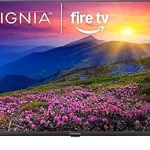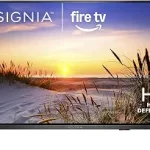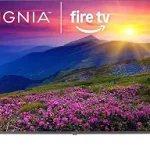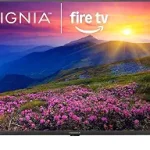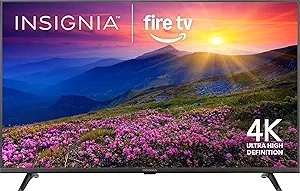
INSIGNIA 50″ Class F50 Series LED 4K UHD Smart Fire TV with Alexa Voice Remote (NS-50F502NA26)
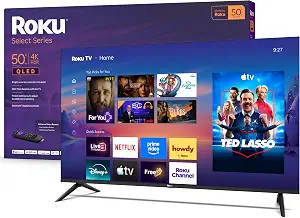
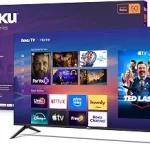
Roku 50-Inch Select Series Smart TV 2026-4K (2160p) QLED TV
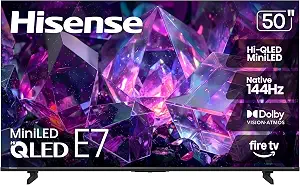
Hisense 50″ E7 Cinema Series Hi-QLED Mini-LED 4K UHD Smart Fire TV (50E7SF)
Best 50 Tv Buying Guide — Black Friday Deals 2026
Which 50-inch TV fits the way you actually plan to watch: a straightforward 4K screen for everyday viewing, a model with more HDMI inputs, or a faster-refresh option? Start with that practical question rather than a sale banner. This guide compares three listed TVs using their stated screen, connection, refresh-rate and operating-system details. The Roku is the Best Overall pick among these options, the Insignia is the Best Budget pick, and the Hisense is the Best for 144 hertz refresh-rate shoppers. Those are buyer-fit labels, not test results or market-wide awards. During Black Friday, compare the exact model and offer shown on the listing; no promotion or price is assumed here.
INSIGNIA 50″ Class F50 Series LED 4K UHD Smart Fire TV with Alexa Voice Remote (NS-50F502NA26)
Check Price on Amazon
The INSIGNIA 50″ Class F50 Series LED 4K UHD Smart Fire TV with Alexa Voice Remote (NS-50F502NA26) is the Best Budget choice in this guide. Its supplied details identify a 50-inch screen, 4K resolution, a 60 hertz refresh rate and HDR10 support. FireOS, three HDMI ports, Bluetooth and Wi-Fi are also listed. The budget label is an editorial fit for shoppers beginning with a simpler shortlist; it does not mean this model has a lower current price or a Black Friday discount.
For an everyday setup, consider whether the combination of 4K, HDR10 and a 60 hertz refresh rate matches what you want to prioritize. Treat those as separate details rather than assuming one specification guarantees a particular picture result. If you are comparing it with the Roku, note the difference in their listed HDMI port counts and operating systems, then consider your own device plan and platform preference. The supplied facts identify three HDMI ports for this Insignia; count your planned connections and check the exact listing for any details you need beyond that count.
The product name identifies an Alexa Voice Remote, while the supplied operating-system detail is FireOS. If those are features you are seeking, confirm the exact model and included item information on the product page before purchase. The records do not establish which services, accessories or controls are right for your routine, so make those checks against your own requirements rather than assuming. During Black Friday, compare the complete offer for NS-50F502NA26 with the other 50-inch listings you are considering. The Best Budget label can help organize your options, but deciding whether an offer fits your budget requires checking its actual terms and price.
Key specs
| Resolution | Resolution 4K |
| Refresh rate | Refresh Rate 60 hertz |
| HDR format | HDR Format Supported HDR10 |
| Operating system | Operating System FireOS |
| HDMI ports | Total Number of HDMI Ports 3 |
| Screen size | Screen Size 50 inches |
| Wireless technology | Wireless Technology Bluetooth, Wi-Fi |
Roku 50-Inch Select Series Smart TV 2026-4K (2160p) QLED TV
Check Price on Amazon
The Roku 50-Inch Select Series Smart TV 2026-4K (2160p) QLED TV is the Best Overall choice among these listed models for shoppers who want a 50-inch 4K set and value having four HDMI ports to consider when planning connections. Its stated specifications include a 60 hertz refresh rate, Roku OS, Bluetooth and Wi-Fi wireless technology, and a VESA Mount Standard of 200 x 100 mm. The Best Overall label reflects that mix of listed features, not a measured comparison or a claim that it suits every room.
Before Black Friday, write down the devices you expect to connect and decide whether four HDMI ports fit that plan. The number is useful when comparing listings, but it does not by itself tell you how your particular devices will be arranged or whether you need other connection types. Check the complete product details for the exact variant you intend to buy, then compare its stated ports with your own equipment. If mounting matters, the listed VESA standard gives you a specific detail to check against your planned mount; verify the mount’s requirements rather than assuming a fit.
This option may be a sensible shortlist starting point if Roku OS is the platform you want to consider and the listed wireless technologies match the kinds of connections you have in mind. The provided details do not establish which apps, services, accessories or control options will suit you, so confirm those needs on the exact listing before deciding. A 60 hertz refresh rate is the stated figure to compare against the Hisense’s 144 hertz figure, while recognizing that a number alone does not predict your experience with every kind of content. During Black Friday, choose this Best Overall option only if the exact offer and variant still fit your priorities; the label is not proof of a discount or superior performance.
Key specs
| Resolution | Resolution 4K |
| Refresh rate | Refresh Rate 60 hertz |
| Screen size | Screen Size 50 inches |
| HDMI ports | Total Number of HDMI Ports 4 |
| Operating system | Operating System Roku OS |
| Wireless connectivity | Wireless Technology Bluetooth, Wi-Fi |
| VESA mount | VESA Mount Standard 200 x 100 mm |
Hisense 50″ E7 Cinema Series Hi-QLED Mini-LED 4K UHD Smart Fire TV (50E7SF)
Check Price on Amazon
The Hisense 50″ E7 Cinema Series Hi-QLED Mini-LED 4K UHD Smart Fire TV (50E7SF) is the Best for 144 hertz refresh-rate shoppers pick. The supplied specifications list a 50-inch screen, 4K resolution and a 144 hertz refresh rate, along with Mini-LED backlight technology. It also lists four HDMI ports, FireOS, AirPlay screen mirroring and speaker maximum output power of 20 watts. The label points to the stated refresh-rate figure; it is not a claim that the TV will outperform another model in every viewing situation.
This model may be worth examining if the 144 hertz figure is central to your shortlist. Decide why refresh rate matters to your intended use, then compare the exact listing with the content and equipment you plan to use. The available facts do not specify how a particular device or source behaves with this TV, so verify any compatibility questions on the product listing before making a choice. Its Mini-LED backlight is another stated display detail to weigh separately; avoid treating the backlight description as a guarantee of a specific picture outcome.
During Black Friday, compare the Hisense’s complete offer and model number with the other candidates rather than choosing on one prominent specification. Four HDMI ports may be relevant if you are mapping several devices, while the Roku also lists four and the Insignia lists three. FireOS and AirPlay screen mirroring are stated features, but confirm that the platform and mirroring details meet your own needs. The listed speaker maximum output power is 20 watts; it is a specification to note, not a promise about how audio will sound in your room. Choose this option when its stated features align with your priorities and the exact offer makes sense to you.
Key specs
| Screen size | Screen Size 50 inches |
| Resolution | Resolution 4K |
| Refresh rate | Refresh Rate 144 hertz |
| Backlight | Display Backlight Technology Mini-LED |
| HDMI ports | Total Number of HDMI Ports 4 |
| Operating system | Operating System FireOS |
| Audio output | Speaker Maximum Output Power 20 watts |
| Screen mirroring | Screen Mirroring Technology AirPlay |
Name the job this screen needs to do
Before comparing models, picture the ordinary viewing situation you are shopping for. Is this a shared screen for a mix of programs, a TV for a room where you will connect several devices, or a display where refresh rate is a priority? The records establish that all three options have 50-inch screens and 4K resolution, so those details may help narrow the category but will not settle the choice by themselves. Your intended use gives the remaining specifications context.
Make a short list of must-haves and nice-to-haves. For example, you might put a particular operating system or a higher HDMI port count in the first group, while keeping backlight type or wireless details as comparison points. Those are personal decision criteria, not promises about how a feature will perform. The Roku lists Roku OS and four HDMI ports; both the Insignia and Hisense list FireOS, with three and four HDMI ports respectively. If a platform is important to you, verify that the exact model’s listing answers your questions.
Black Friday can bring attention to a broad category when what matters is the specific set of features you will use. Keep your shortlist focused on the intended job, not on a label alone. The Best Overall, Best Budget and Best for 144 hertz refresh-rate shoppers labels here describe editorial buyer-fit choices among these three TVs. They do not establish a universal winner. If none of the labels reflects your main priority, use the specifications and your own checklist to make the decision.
Separate the picture details you care about
Resolution, refresh rate, HDR format and backlight are different pieces of information. Each of these TVs is listed as 4K, while the Insignia and Roku list a 60 hertz refresh rate and the Hisense lists 144 hertz. The Insignia specifically lists HDR10 support, and the Hisense identifies Mini-LED backlight technology. These details let you compare the products on stated terms, but they do not alone describe every aspect of a picture or guarantee a particular viewing result.
Ask which distinction would actually affect your choice. If your shortlist centers on refresh rate, the Hisense’s stated figure gives you a clear specification to investigate. If HDR format matters, the provided fact for the Insignia is HDR10. Do not assume an unlisted HDR format is unsupported on another model; these records simply do not supply that detail. Likewise, the Hisense’s Mini-LED description is a named backlight technology, not a substitute for checking other picture information that matters to you.
During Black Friday, be wary of comparing a headline feature from one product with a different category of specification from another. Match like with like: resolution against resolution, refresh rate against refresh rate, and stated HDR or backlight information against the same kind of detail where available. Check that the listing corresponds to the exact model in your shortlist. If an important picture detail is not clear in the product information, resolve that question before treating the offer as a reason to buy.
Plan your inputs around real equipment
Count the devices you expect to connect, then compare that list with the HDMI port count shown for each TV. The Insignia lists three HDMI ports; the Roku and Hisense each list four. That comparison can help you judge whether the stated count fits your setup. It does not tell you which ports a device needs or how you might arrange a particular installation, so check the requirements for your own equipment and the complete TV listing.
Wireless details can also help shape a shortlist, but keep the wording precise. Bluetooth and Wi-Fi are listed for the Insignia and Roku. The supplied Hisense details identify AirPlay as its screen-mirroring technology. These are not interchangeable descriptions, and the records do not spell out every use, connection requirement or compatible device. If you are buying for a particular phone, speaker or other equipment, look for confirmation of the exact capability you need rather than inferring it from a general connectivity label.
A practical Black Friday comparison can use a small connection map: name each device, note how you expect it to connect, and then check the relevant model information. Also consider whether a VESA mount standard matters to your setup. The Roku listing specifies 200 x 100 mm; compare that exact standard with the requirements of the mount you plan to use. Avoid assuming compatibility from screen size or model family alone. These simple checks turn port and mounting specifications into concrete questions instead of relying on a promotional headline.
Choose the interface you would rather navigate
The operating-system detail is an easy way to distinguish the options on paper: the Roku lists Roku OS, while the Insignia and Hisense list FireOS. Think about which platform you prefer to use, and check the exact product information for the services or functions you expect. The supplied facts do not provide a complete app catalogue or describe every control feature, so a platform name should start your check rather than end it.
The product names and listed features provide a few specific items to verify. The Insignia’s name includes an Alexa Voice Remote, and its operating system is listed as FireOS. The Hisense lists FireOS and AirPlay screen mirroring. The Roku lists Roku OS, Bluetooth and Wi-Fi. These details may be relevant to how you want to interact with a TV, but they do not establish that a particular accessory, account, network or device will work in your setup. Confirm any requirement that is essential before purchase.
For a useful comparison, write down the one or two interface tasks you expect to perform most often, then look for direct confirmation in the listing. Don’t treat different platform names as a performance ranking or assume the same feature set across brands. During Black Friday, the name of a series or a deal description may not answer a specific software question. Match the offer to the full model designation, and give yourself time to verify the platform detail that matters before you commit.
Use Black Friday to verify the exact listing
A sale headline is not enough to decide whether a TV is the right purchase. Compare the exact model designation, screen size and stated features on the listing with your shortlist. The models here have distinct names: NS-50F502NA26 for the Insignia, the 2026 Select Series Roku, and 50E7SF for the Hisense. Confirm that the product page and offer you are considering correspond to the model you intended to compare.
Next, check the actual offer information available to you. This guide does not provide prices, discounts, stock status or promotion terms, so it cannot say whether a Black Friday offer is active or whether one model costs less than another. Decide what price fits your budget by reviewing the current listing yourself. Make sure your comparison uses the same variant and includes the details you care about, rather than relying on a short promotional phrase.
Finally, revisit your checklist: 4K resolution is listed for all three; refresh rates, HDMI counts, operating systems and other supplied details vary. Confirm any unanswered question on the exact product page before ordering. A disciplined Black Friday comparison gives the same attention to the product identity and the offer as it gives to the headline. That way, the decision rests on information relevant to your needs, not on an assumption about savings or on a broad label.
Make your Black Friday choice
For a final decision, put your priorities in order, then match them to the exact listing: the Roku if its stated combination suits your shortlist, the Insignia if its listed features fit your budget plans, or the Hisense if 144 hertz is a key specification for you. Confirm the model, platform, connections and any must-have details. During Black Friday, check the actual offer and variant yourself; this guide does not assert a promotion. Choose the TV whose verified details fit your routine, not simply the one with the most appealing label.